Hotel and Accommodation Guide for Morocco
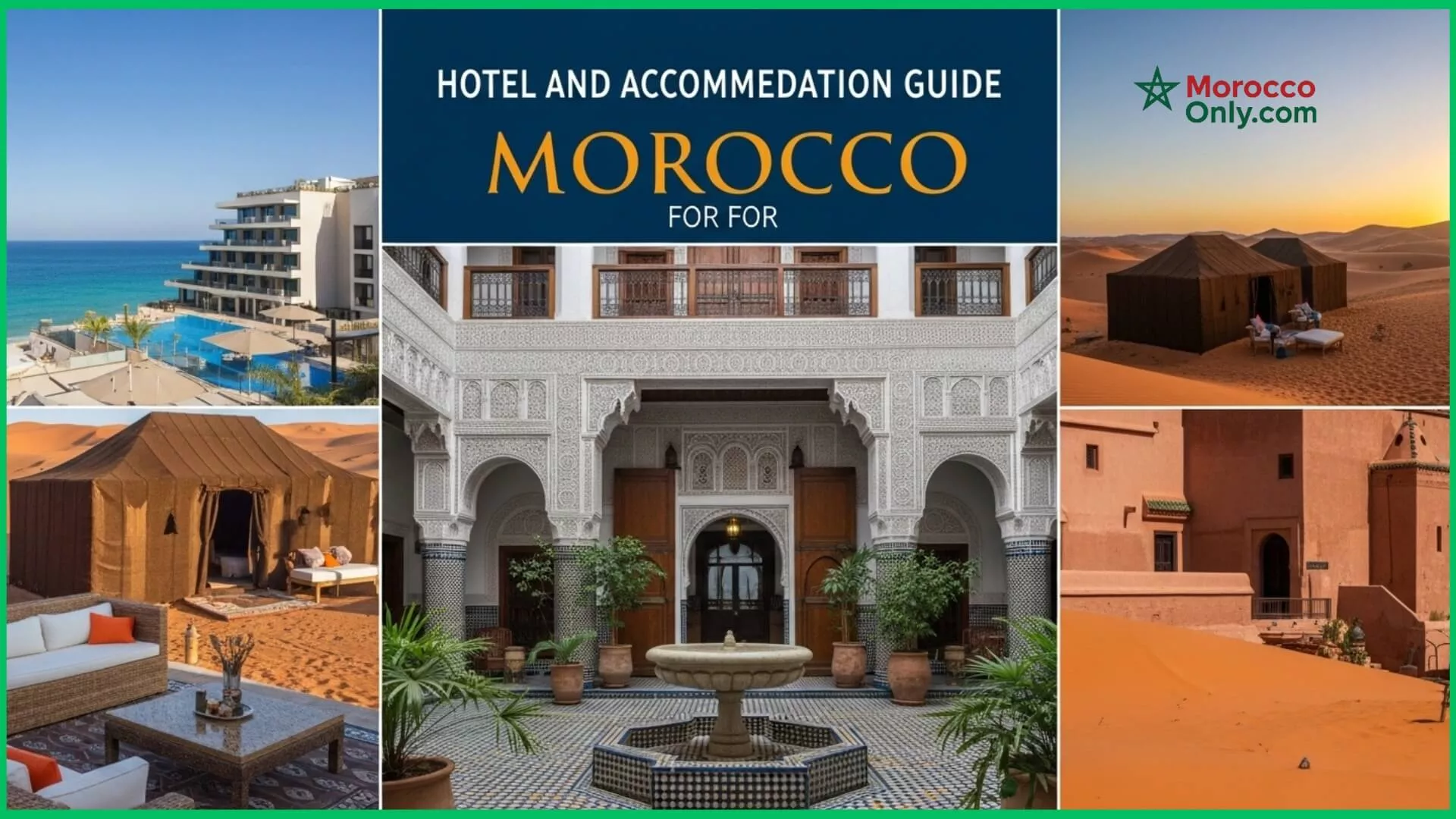
Morocco is one of those places where finding the right accommodation can totally make or break your trip. Whether you’re dreaming of a fairy-tale riad with a rooftop terrace overlooking the medina, a luxury resort with infinity pools, or sleeping under a million stars in the Sahara, Morocco’s got you covered. The country’s accommodation scene is ridiculously diverse—you can stay in a 5-star palace one night and a cozy mountain eco-lodge the next. This guide will walk you through all your options, from riads and boutique hotels to desert camps and budget hostels, so you can figure out what works best for your style and budget.
Understanding Moroccan Accommodation Options
Luxury Hotels
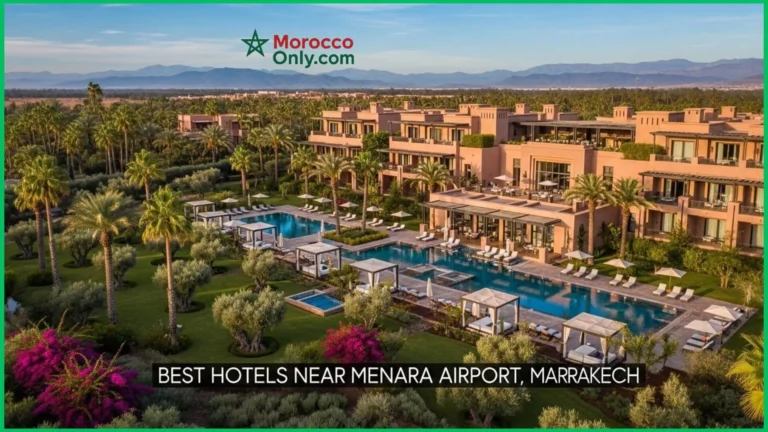
If you want the full five-star treatment, Morocco’s major cities have some seriously impressive luxury hotels and resorts. Think infinity pools, spas, rooftop bars, and service that makes you feel like royalty. Marrakech has iconic spots like La Mamounia, Casablanca offers sleek beachfront resorts, and Agadir is packed with all-inclusive beach properties. These places are perfect if you want modern amenities, English-speaking staff, and all the comforts of home—just with way better views.
Riads
Riads are what make Morocco special. These are traditional Moroccan guesthouses built around a central courtyard or garden, often tucked away in the narrow alleys of the medina. Think intricately tiled walls, ornate wooden doors, rooftop terraces with mint tea service, and a vibe that feels like stepping back in time. Most riads are small—usually just 5 to 12 rooms—so you get personalized service and that boutique feel. Marrakech and Fes have the best selection of riads, ranging from budget-friendly to ultra-luxurious.
Boutique Hotels
Boutique hotels in Morocco blend traditional Moroccan design with modern comfort. They’re usually smaller than big chain hotels, with unique décor, stylish interiors, and a more intimate atmosphere. You’ll find boutique hotels in cities like Chefchaouen (the blue city), Essaouira, and even in the mountains. They’re ideal if you want something special but don’t want to sacrifice WiFi and air conditioning.
Budget Hostels & Guesthouses
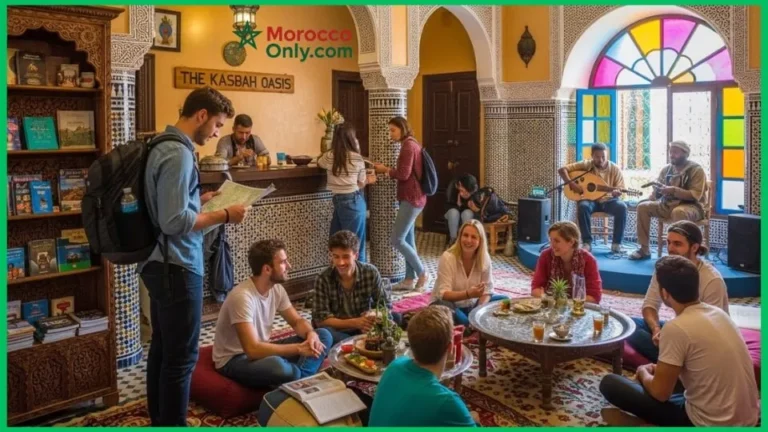
Morocco is super backpacker-friendly, with tons of affordable hostels and guesthouses scattered across every major city. These range from basic dorm rooms to simple private rooms with shared bathrooms. Many hostels have rooftop terraces where travelers hang out, swap stories, and plan the next leg of their journey. Budget riads are also common—think of them as hostels with more character and traditional architecture.
Desert Camps
Spending a night (or several) in the Sahara is a bucket-list experience, and desert camps range from basic tents to full-on luxury glamping setups. The luxury camps have proper beds, en-suite bathrooms, hot showers, gourmet meals, and sometimes even pools. Standard camps are more rustic, with shared facilities and simpler amenities, but the experience—camel rides, stargazing, and sunset over the dunes—is unforgettable either way. Most camps are located near Merzouga, Erg Chebbi, or Erg Chigaga.
Eco-Lodges & Rural Stays
For travelers who want to minimize their environmental impact, Morocco has some fantastic eco-lodges, especially in the Atlas Mountains and rural areas. These places use solar power, local materials, and traditional building techniques, and they often support local communities through employment and cultural programs. Ouirgane Ecolodge, about 60km south of Marrakech, is a popular choice for trekkers and nature lovers.
Best Places to Stay in Morocco (by Destination)
Marrakech
Marrakech is the most popular city for first-timers, and honestly, staying in a riad in the medina is the move. You’ll be walking distance from Jemaa el-Fnaa Square, the souks, and all the main sights. Some top-rated riads include Riad Kheirredine (with stunning Atlas Mountain views) and Dar Assiya (cozy and centrally located). If you prefer a resort vibe, the Palmeraie area has luxury properties with pools, golf courses, and spa facilities—it’s about 15 minutes outside the medina, so you’ll need taxis to get around.
Recommended areas for first-timers: Stay in or near the medina for easy access to attractions, or pick the Palmeraie if you want peace and resort amenities.
Fes
Fes is Morocco’s cultural capital, and the best way to experience it is by staying in a traditional riad near the old medina. Riad Fes (a Relais & Châteaux property) is a favorite among travelers—it has five different houses connected around a gorgeous pool, individually designed rooms, and Andalusian-Moroccan décor that’s absolutely dreamy. For something more modern, Hotel Sahrai offers contemporary luxury with killer views. Budget travelers can find plenty of hostels and mid-range hotels just outside the medina walls.
Casablanca
Casablanca is Morocco’s business and economic hub, so most hotels here lean toward modern and cosmopolitan rather than traditional. You’ll find plenty of business hotels and beachfront resorts along the Corniche, the coastal strip with restaurants, bars, and ocean views. It’s a good base if you’re flying in or out, or if you want a more modern Moroccan experience.
Chefchaouen
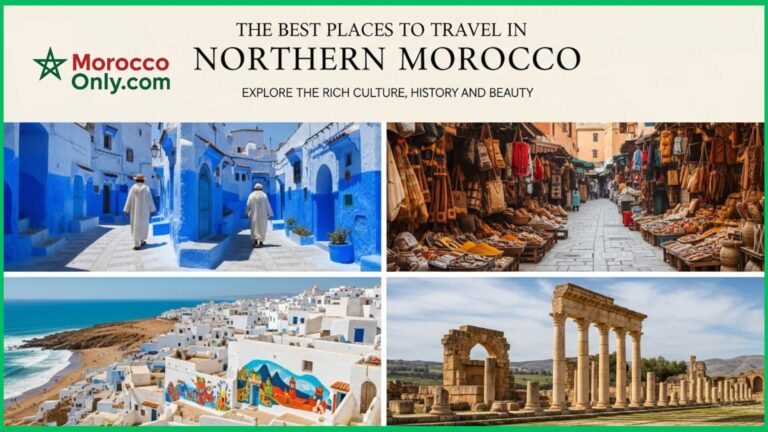
Chefchaouen (the “blue city”) is all about boutique hotels and guesthouses with mountain views. The entire town is painted in shades of blue, so even the simplest guesthouse feels Instagram-worthy. Cozy riads like Dar El Fanne and Casa Amina offer great value and central locations, while Dar Jasmine is the luxury option with a pool and spacious rooms.
Sahara Desert
A night in the Sahara is non-negotiable if you’re visiting Morocco, and you’ve got two main options: luxury desert camps or basic glamping setups. Luxury camps like Desert Luxury Camp or Wilderness Travel’s exclusive camp offer walk-in tents with real beds, copper sinks, private bathrooms, gourmet meals, and cultural performances. Standard camps have shared facilities and simpler tents, but the experience—stargazing, camel treks, tagine dinners by the fire—is still magical. Getting there takes about 9-10 hours from Marrakech (through the Atlas Mountains), so plan for a multi-day excursion.
What to expect: Real beds, hot showers (in luxury camps), traditional Moroccan meals, camel rides, stargazing, and Gnaoua music performances.
Essaouira & Agadir
Both cities are on the Atlantic coast and are known for their beachfront resorts and surf culture. Essaouira has more of a bohemian, artsy vibe, with boutique riads and surf lodges scattered around the medina. Agadir is more resort-heavy, with big all-inclusive properties perfect for families and beach lovers. If you’re into wind sports, Essaouira is especially popular for kitesurfing.
Atlas Mountains
The Atlas Mountains are perfect for hikers and anyone who wants to escape the city heat. Eco-lodges and mountain retreats like Ouirgane Ecolodge offer sustainable stays with panoramic mountain views, traditional Berber architecture, and access to trekking trails. These places focus on eco-friendly practices like solar power, water conservation, and supporting local communities. It’s a peaceful, nature-focused alternative to the busy cities.
What to Expect from Moroccan Hotels
Moroccan hotels—especially riads—are known for their gorgeous décor: colorful tiles (zellige), carved wood, plush textiles, and courtyards filled with orange trees or fountains. The vibe is intimate and homey, not sterile like a chain hotel.
Most places include Moroccan breakfast in the rate: fresh bread, jams, honey, Moroccan pancakes (msemen or baghrir), olives, cheese, fresh fruit, and of course, endless pots of sweet mint tea. Some riads also offer home-cooked dinners, often served on the rooftop terrace.
Moroccan hospitality is legendary. Hosts often greet guests with dates and milk (symbols of good luck), offer personalized recommendations, and treat you like family. It’s common to be offered mint tea as soon as you arrive—accepting it is a sign of respect and friendship. Don’t be surprised if your host goes out of their way to help with tour bookings, transportation, or even cooking lessons.
Booking Tips for the Best Deals
The best time to visit Morocco (and get decent rates) is during the shoulder seasons: March to May and September to October. The weather is perfect—mild and sunny—and you’ll avoid the extreme summer heat and winter cold. November, December, and May generally have the lowest hotel rates. Avoid July and August unless you love heat, and skip late June through September if you’re planning desert trips (it’s brutally hot).
For booking, most travelers use platforms like Booking.com, Expedia, or Airbnb, but you can also contact riads directly—sometimes they offer better rates if you book straight through them. If you’re traveling during peak season (April, May, September, October), book accommodations at least a week or two in advance. During shoulder or low season, you can often book just a day or two ahead, especially in smaller towns.
Safety and cleanliness tips: Most accommodations in Morocco are clean and well-maintained, especially riads and hotels catering to international travelers. Read recent reviews, check for hot water and WiFi if those are important to you, and always have a printed copy of your booking confirmation.
For families: Look for riads or hotels with family rooms or connecting rooms. For couples, romantic riads with rooftop terraces are perfect. Solo travelers should check hostel reviews for safety and social atmosphere.
Sustainable and Culturally Respectful Stays
Supporting eco-friendly and locally owned properties is a great way to make your trip more sustainable. Look for accommodations that use solar energy, practice water conservation, source food locally, and employ people from the surrounding community. Eco-lodges in the Atlas Mountains are especially good at this.
When staying in riads or guesthouses, remember to respect cultural norms: dress modestly when walking through the medina, remove your shoes when entering certain areas, and be mindful of prayer times and local customs. Tipping is appreciated but not mandatory—leaving a small tip for housekeeping or helpful staff is a nice gesture. If you’re invited to share a meal with locals, accepting and eating with your right hand is considered polite.
Final Thoughts
Morocco’s accommodation scene is as diverse as the country itself—you can literally sleep in a 16th-century palace one night and a desert tent under the stars the next. The key is mixing it up: start with a few nights in a medina riad to get the full Moroccan vibe, then head to the mountains or desert for something completely different. Whether you’re on a backpacker budget or going all-in on luxury, there’s a place in Morocco that’ll feel just right. So start browsing those riads, planning your desert camp adventure, and get ready for some of the most unique stays you’ll ever experience.
FAQ
What’s the difference between a riad and a hotel?
A riad is a traditional Moroccan guesthouse built around a central courtyard, usually small and intimate with personalized service. Hotels are larger, more modern, and often have amenities like pools, gyms, and restaurants.
Do I need to book accommodations in advance in Morocco?
During peak season (April-May and September-October), yes—book at least a week or two ahead. During low season, you can often book a day or two in advance.
Are desert camps in Morocco comfortable?
Luxury desert camps have real beds, private bathrooms, hot showers, and gourmet meals. Basic camps are more rustic but still offer an unforgettable experience with shared facilities.
What should I expect for breakfast at a Moroccan riad?
Most riads include breakfast with fresh bread, Moroccan pancakes, jams, honey, olives, cheese, fruit, and endless mint tea.
Are eco-lodges in Morocco worth it?
Absolutely, especially in the Atlas Mountains. They offer sustainable stays with solar power, local materials, and support for local communities, plus stunning natural surroundings.