Visit Morocco in 2026: Complete Travel Guide
Thinking about Morocco for 2026? Oh, you’re in for a treat! This North African beauty is like stepping into another world—imagine colorful spice markets, endless dunes, blue-painted mountain towns, and mint tea on every corner. Whether it’s your first time or you’re coming back for more tagine, this guide’s got everything you need.
Where Is Morocco? Quick Facts for Travelers
Morocco sits at the northwestern tip of Africa, literally a stone’s throw from Europe across the Strait of Gibraltar. It’s got coastlines on both the Atlantic Ocean and the Mediterranean Sea, and borders Algeria and Western Sahara.
Quick facts:
Currency: Moroccan Dirham (MAD)
Official language: Arabic, but French is everywhere, and English works in tourist spots.
Time zone: Western European Time (WET/GMT+1)
Vibe: African, Arab, and European cultures all mix
Best Time to Visit Morocco in 2026
Spring (March–May)
Hands down, one of the best times to go. Temps sit comfortably between 15-25°C (59-77°F), perfect for exploring everything from cities to mountains to deserts. Plus, the Atlas Mountains are gorgeous with melting snow and blooming flowers.
Summer (June–August)
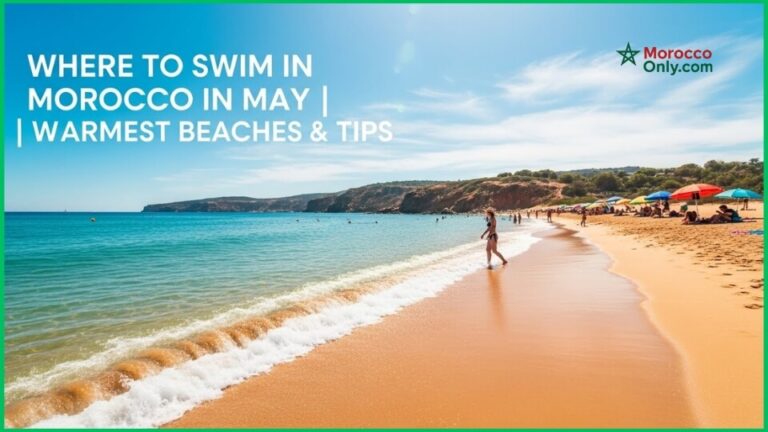
Great for the coast, brutal inland. Coastal cities stay breezy and pleasant, but places like Marrakech and the Sahara can hit scorching temps. If you go, stick to beach towns like Essaouira or head to the mountains. Bonus: tons of festivals happen in June.
Autumn (September–November)
Another winner. Weather’s similar to spring (17-26°C/63-79°F), crowds thin out, and it’s perfect for desert tours and cultural exploration. Plus, it’s date harvest season, which is pretty cool to witness.
Winter (December–February)
Cities stay mild, but the Atlas Mountains get snow—which is awesome if you’re into skiing or just snowy landscapes. Not ideal for the desert, though, as nights get freezing.
Top Places to Visit in Morocco
Marrakech
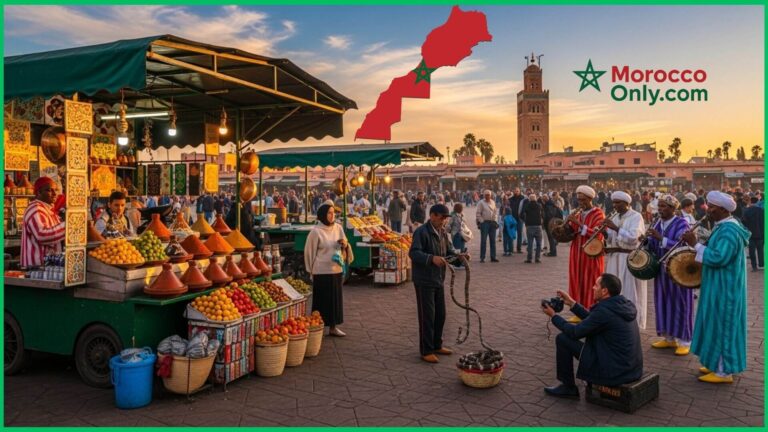
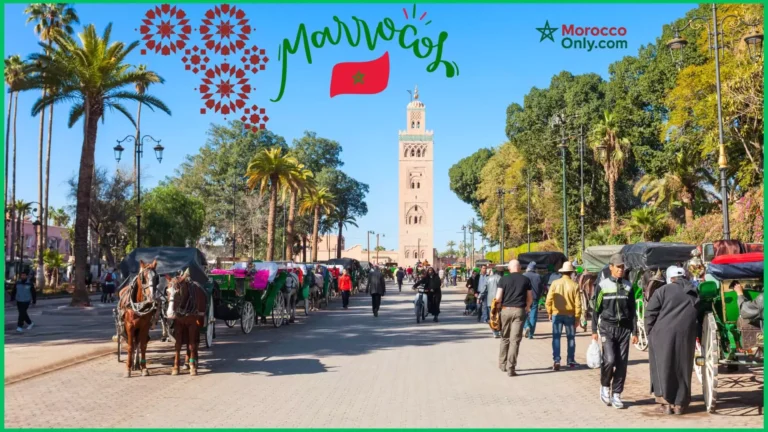
The red city that never sleeps. Jemaa el-Fnaa square is absolute chaos in the best way—snake charmers, food stalls, storytellers, the works. The medina’s souks will overwhelm your senses (in a good way), and the palaces and gardens (like the Bahia Palace and the Majorelle Garden) are stunning.
Fes
The cultural and spiritual heart of Morocco. Fes el-Bali is the world’s largest car-free urban area and feels like you’ve time-traveled to medieval times. Don’t miss the famous tanneries (smelly but fascinating) and Al Quaraouiyine University, one of the world’s oldest.
Chefchaouen
The Instagram-famous blue city is tucked in the Rif Mountains. Every building’s painted in shades of blue, creating the dreamiest photo ops. It’s way more relaxed than Marrakech or Fes—perfect for slowing down and just wandering.
Casablanca
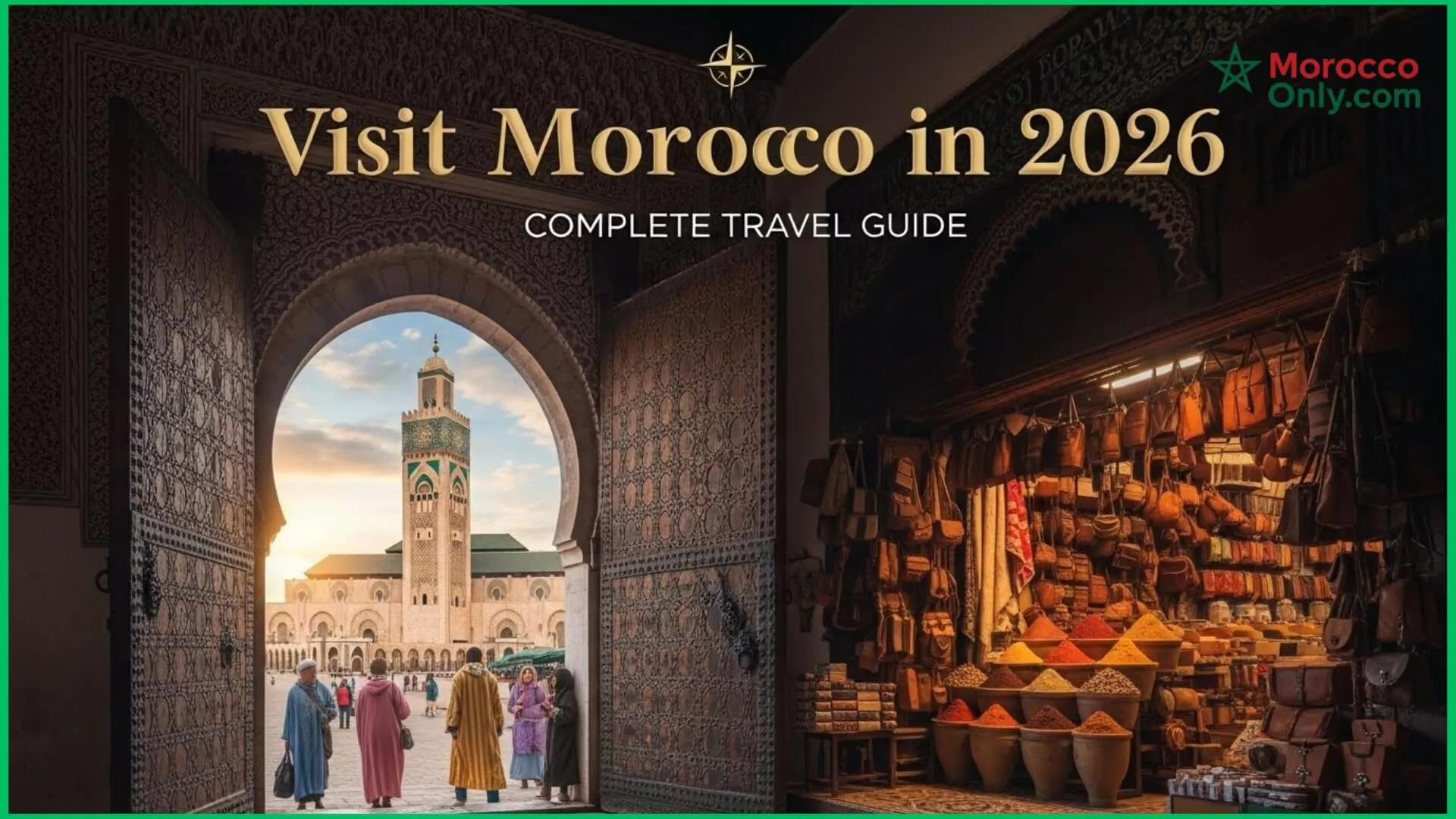
Morocco’s biggest city and most modern. The Hassan II Mosque is mind-blowing (one of the few mosques non-Muslims can enter), and the coastal promenade is great for strolling. Less touristy than other cities, which can be refreshing.
Rabat
The capital is often overlooke bu o n’t be. The Kasbah of the Udayas is gorgeous, Hassan Tower is impressive, and the whole city has a more laid-back vibe than Marrakech.
Sahara Desert
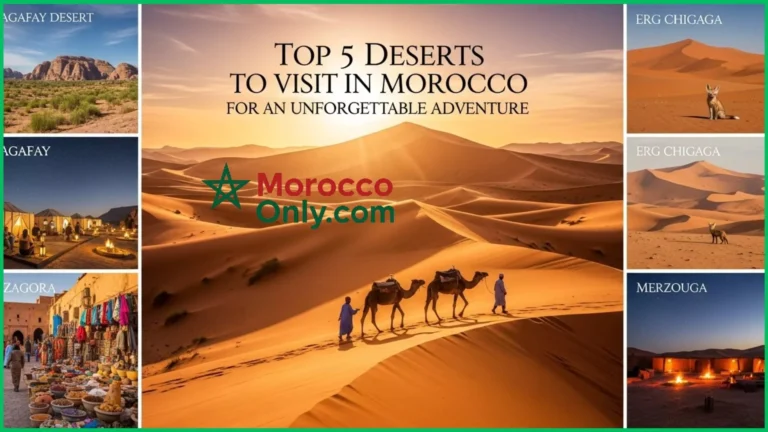
This is bucket-list stuff. Merzouga and the Erg Chebbi dunes are where most desert tours happen. Camel trekking at sunset, sleeping in desert camps under a million stars—it’s magical.
Atlas Mountains
Perfect escape from city heat. Hike through Berber villages, see incredible landscapes, and experience traditional mountain life. The Todra Gorge and Dades Valley are particularly stunning.
Morocco Itinerary Ideas
3 Days: Marrakech deep dive. Hit the medina, gardens, day trip tothe he Atlas Mountains or Essaouira.
5 Days: Marrakech + Atlas Mountains OR Marrakech + Fes with a desert tour.
7 Days: The classic circuit—Marrakech, Fes, Chefchaouen. You’ll see imperial cities, mountains, and get the full cultural experience.
10 Days: Add the Sahara Desert. Do the full loop: Marrakech → Merzouga (desert) → Fes → Chefchaouen → back through Rabat or coastal route.
Things to Do in Morocco
Get gloriously lost in medinas and haggle in the souks
Do the classic camel trek and overnight in the Sahara
Stay in a traditional riad (gorgeous old houses turned into guesthouses)
Experience a hammam (Moroccan spa—it’s intense but amazing)
Take a cooking class and learn to make tagine
Surf in Taghazout or Essaouira
Hike in the Atlas Mountains or explore Berber villages
Moroccan Food & Drinks to Try
The food alone is worth the flight.
Must-tries:
Tagine: Slow-cooked stew in a clay pot—chicken, lamb, or veggie, all amazing
Couscous: Usually served on Fridays, it’s a whole thing
Pastilla: Sweet and savory pie with pigeon or chicken, almonds, and cinnamon
Harira: Hearty soup, especially popular during Ramadan
Msemen: Flaky flatbread, perfect for breakfast
Moroccan mint tea: Sweet, refreshing, and served everywhere (refusing is basically rude)
Fresh orange juice: Dirt cheap and incredibly fresh
Festivals & Events in Morocco 2026
Morocco knows how to celebrate:
Fes Festival of World Sacred Music (June 5-14): UNESCO-backed spiritual music fest in historic venues—amazing atmosphere
Jazzablanca (June 12-15, Casablanca): Morocco’s premier jazz festival with international and local acts
Mawazine (June 19-27, Rabat): Africa’s biggest music festival with 2.5M+ attendees and mostly free concerts
Gnaoua World Music Festival (June 25-27, Essaouira): Hypnotic trance music meets jazz on the beach—UNESCO-listed and free
Rose Festival (May, Kelaat M’Gouna): Celebrate the rose harvest in the Valley of Roses
Date Festival (October 15-18, Erfoud): All things dates, plus camel parades and Berber music
Transportation in Morocco
Getting There
Major international airports are in Casablanca, Marrakech, and Fes. You can also take ferries from Spain to Tangier or other coastal cities.
Getting Around
Trains (ONCF): Modern, comfortable, and reliable. The Al Boraq high-speed train connects major cities like Casablanca, Rabat, and Tangier. You can book tickets online or via the ONCF app.
Buses: CTM and Supratours are the main companies. Cheaper than trains but less comfortable for long distances.
Grand taxis: Shared taxis between cities. Cramped but authentic and cheap.
Car rentals: Great for flexibility, especially in the Atlas or desert, but driving in medinas is nightmare fuel.
Domestic flights: Worth considering for long distances like Marrakech to Fes.
Budget & Travel Costs in Morocco (2026)
Morocco’s pretty affordable, especially compared to Europe:
Budget travelers: $40-60/day (hostels, street food, local transport)
Mid-range: $75-125/day or 800-1,000 MAD/day. This gets you nice riads, restaurant meals, activities, and comfortable transport
Luxury: $200+/day (boutique riads, private tours, fancy meals)
Cost breakdown per day (mid-range):
Couples can share accommodation costs and bring the per-person budget down.
Cultural Etiquette & Travel Tips
Dress modestly, especially outside tourist areas. Cover shoulders and knees. Women, consider bringing a scarf.
Bargaining: Expected in souks. Start at half the asking price and negotiate. It’s part of the fun.
Photography: Always ask before photographing people. Some may expect a tip.
Tipping: 10% in restaurants, small amounts for guides and drivers.
Respect Ramadan: If visiting during Ramadan, don’t eat/d moke in public during daylight hours.
Right hand: Use your right hand for eating and handshakes (left hand is considered unclean).
Visa & Entry Requirements for Morocco (2026)
Good news: Many countrieofferet visa-free entry!
Visa-free countries: the US, Canada, the UK, the EU, Australia, and many othallow a stay of 30-90 days without a visa.
Requirements:
Passport valid for at least 6 months beyond arrival
If you need a visa, apply at Moroccan embassies or consulates before traveling.
Is Morocco Safe for Tourists in 2026?
Yes, Morocco’s generally very safe. The government takes tourism security seriously—you’ll see police in tourist areas, especially in places like Marrakech medina. Tourism is crucial to Morocco’s economy, so locals are generally welcoming and helpful.
Safety tips:
Watch for pickpockets in crowded areas (like any popular destination)
Be aware of common scams (fake guides, overcharging)
Solo travelers and women travel Morocco successfully—just use common sense
Major cities (Fes, Marrakech, Casablanca) have good security in tourist zones
Emergency number: 190 (police), 150 (ambulance)
Most travelers return home with nothing but wonderful memories and stories of Moroccan hospitality.
Frequently Asked Questions
Is Morocco expensive?
Nope! It’s quite affordable, especially for budget and mid-range travelers.
How many days are enough?
Minimum 5 days. 7-10 days is ideal to see multiple cities and the desert without rushing.
What should I wear?
Dress modestly. Loose, lightweight clothes that cover shoulders and knees. Bring layers for desert nights.
Is Morocco safe for first-time travelers?
Yes! It’s beginner-friendly, especially if you book some organized tours.
Do people speak English?
In tourist areas, yes. Otherwise, French is more common. Learning basic Arabic phrases helps.
Absolutely, 100%, no question. Morocco’s got everything—ancient cities, stunning landscapes, incredible food, rich culture, and warm hospitality. It’s exotic enough to feel like a real adventure but accessible enough for first-timers.
2026’s looking great for Morocco travel, with major festivals happening throughout the year and excellent transportation infrastructure. The key is planning which regions to prioritize based on your interests and time available.
Book riads early if you’re visiting during peak season (spring or major festivals), and don’t over-schedule yourself—Morocco’s best experienced with some flexibility to get lost, linger over tea, and let the chaos of the medinas work their magic.
Trust me, you’ll be planning your return trip before you even leave. 🇲🇦