Fes Medina Guide: History Culture & Everything You Need to Know
So you’re thinking about visiting Fes? Smart choice! Let me tell you, this place is absolutely magical – like stepping into a living, breathing history book where people actually still live and work. Fes Medina isn’t just some tourist trap; it’s the real deal, and honestly, it’ll blow your mind.
This ancient city is Morocco’s cultural heart and soul, and UNESCO agrees – they made it a World Heritage Site for good reason. We’re talking about a place that’s been around since the 8th century and somehow still feels incredibly alive today. In this guide, I’ll walk you through everything you need to know about Fes’s incredible history, vibrant culture, and give you all my best travel tips so you can make the most of your visit.
A Glimpse into Fes Medina’s History
How It All Started
Picture this: it’s 789 AD, and Idris I decides to build a city that’ll become one of the most important places in the Islamic world. That’s how Fes was born, and trust me, they picked the perfect spot. The city quickly became a major player on ancient trade routes, connecting sub-Saharan Africa with the Mediterranean.
The Dynasty Drama
Fes has seen it all – the Almoravids, Almohads, Marinids, you name it. Each dynasty left their mark, which is why walking through the medina today feels like flipping through a really amazing history textbook. The Marinid dynasty especially went all out in the 13th and 14th centuries, building some of the stunning madrasas you can still visit today.
Landmarks That Tell Stories
Every corner of Fes has a story. The Al Quaraouiyine University? It’s literally one of the oldest continuously operating universities in the world – we’re talking 859 AD! Meanwhile, the city walls and gates have been standing guard for centuries, and they’ve got tales that would make your Netflix shows seem boring.
Cultural Highlights of Fes Medina
Architecture That’ll Make You Forget Instagram
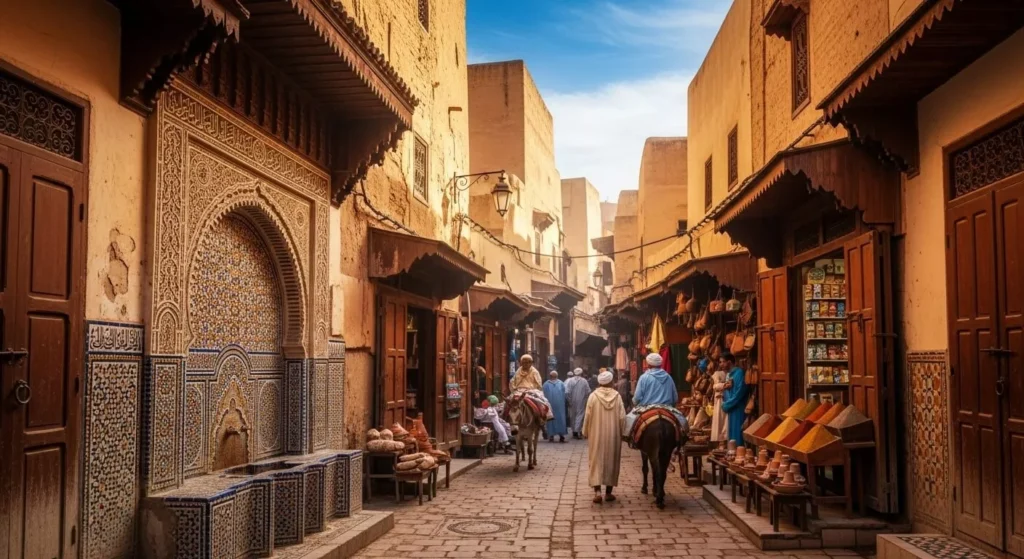
Seriously, the traditional Moroccan architecture here is insane. We’re talking intricate tilework (called zellij), carved cedar wood that smells incredible, and geometric patterns that’ll make your head spin in the best way possible. Every riad, mosque, and madrasa is basically a work of art.
Crafts That Haven’t Changed in Centuries
The artisans in Fes are the real MVPs. The leather tanneries still use techniques from medieval times (fair warning: they smell pretty intense, but it’s worth it). The pottery workshops in the Sidi Ghanem area are mesmerizing to watch, and don’t get me started on the textiles – the carpets and fabrics here are absolutely gorgeous.
Food That’ll Ruin You for Everywhere Else
Moroccan cuisine in Fes hits different. We’re talking tagines that simmer for hours, couscous that’s fluffy perfection, and pastries so good you’ll want to cry. The local specialties like pastilla (sweet and savory pie) and rfissa (chicken and lentil dish) are must-tries.
Festivals and Daily Rhythms
If you’re lucky enough to visit during one of the local festivals, you’re in for a treat. The Festival of World Sacred Music is absolutely incredible. But honestly, even on regular days, the medina has this amazing rhythm – the call to prayer echoing off ancient walls, craftsmen working in their shops, kids playing in the narrow alleys. It’s pure magic.
Top Sights You Can’t Miss
Al Quaraouiyine Mosque and University
This place will give you chills. Founded in 859 AD by a woman named Fatima al-Fihri, it’s recognized by UNESCO and Guinness World Records as the oldest continuously operating university. Non-Muslims can’t go inside, but you can peek through the doorways and trust me, it’s breathtaking.
Bou Inania Madrasa
This 14th-century Islamic school is probably the most beautiful building in Fes, and that’s saying something. The detail work is mind-blowing – every surface is covered in intricate carvings, tilework, or calligraphy. It’s one of the few religious sites non-Muslims can fully explore.
Chouara Tannery
Okay, real talk – this place smells like… well, like a tannery. But it’s absolutely fascinating. Watching the workers dye leather in those colorful vats using techniques that haven’t changed in 1,000 years is pretty amazing. Bring mint leaves to hold under your nose (the shops nearby sell them for this exact purpose).
The Souks and Hidden Alleyways
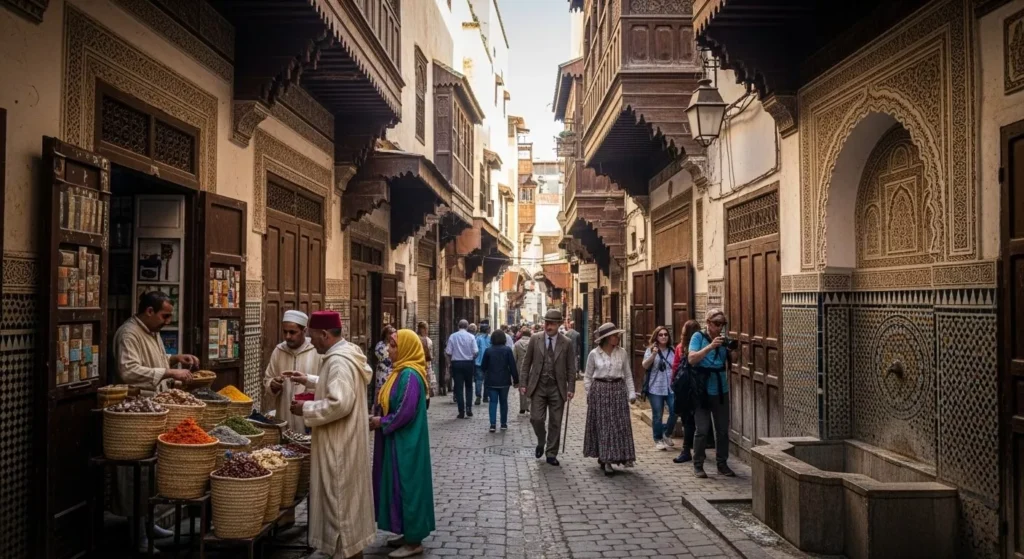
Getting lost in the souks is basically a rite of passage. There are over 9,000 shops crammed into narrow medieval streets. You’ll find everything from handwoven carpets to silver jewelry to spices you can’t pronounce. Just embrace the chaos – it’s part of the fun.
Practical Travel Tips
When to Visit
Spring (March-May) and fall (September-November) are perfect – nice weather and fewer crowds. Summer gets pretty hot, and winter can be surprisingly chilly. Ramadan is beautiful but restaurants close during the day, so plan accordingly.
Navigating the Maze
The medina is basically a medieval puzzle with no street signs. Download Maps.Me or get a local guide for your first day. Don’t worry about getting lost though – it happens to everyone, and locals are usually happy to point you toward the main gates.
Safety and Respect
Fes is generally very safe, but use common sense. Dress modestly (especially when visiting religious sites), ask before taking photos of people, and be respectful during prayer times. The locals appreciate it when visitors make an effort to understand their culture.
Guide or No Guide?
For your first day, I’d definitely recommend a guide. They know all the hidden spots and can explain the history in ways you’d never figure out on your own. After that, exploring solo is totally doable and honestly pretty fun.
Shopping and Souvenir Guide
Where to Find the Good Stuff
The best authentic goods are often in the smaller, family-run shops deeper in the medina. The Attarine Souk is great for spices and perfumes, while the Henna Souk has beautiful textiles and carpets.
Bargaining 101
Haggling is expected and actually kind of fun once you get the hang of it. Start at about 1/3 of the asking price and work your way up. Don’t be afraid to walk away – they’ll usually call you back with a better offer.
Shop Ethically
Look for cooperatives and fair-trade shops where your money goes directly to the artisans. The prices might be a bit higher, but you’re supporting families and traditional crafts.
Food & Drink Experiences
Must-Try Dishes
Tagine is obvious, but try pastilla if you’re feeling adventurous – it’s a sweet and savory pie that sounds weird but tastes incredible. Harira soup is perfect for breakfast, and don’t miss the fresh bread from local bakeries.
Where to Eat and Drink
Café Clock has amazing fusion food and a great rooftop. For traditional Moroccan mint tea, any small café will do – the experience is more important than the venue. Restaurant Fes el Bali serves authentic local dishes in a beautiful setting.
Street Food Safety
Use your judgment – go where locals eat, make sure food is cooked fresh, and maybe avoid raw vegetables for the first few days while your stomach adjusts.
Where to Stay
Riads vs Hotels
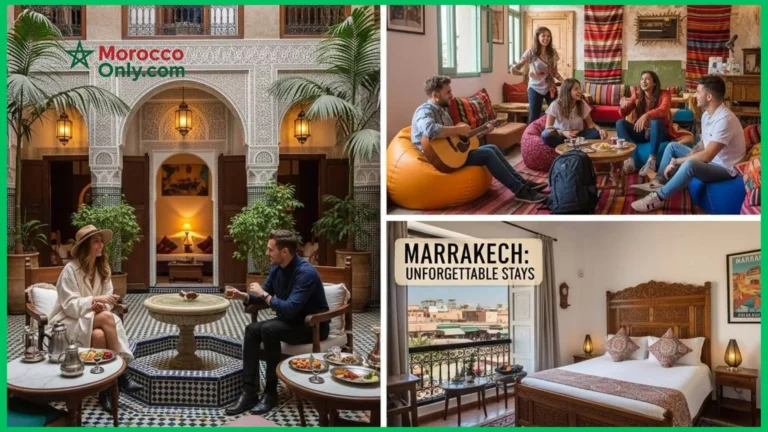
Riads are traditional houses built around courtyards, and staying in one is part of the Fes experience. They’re atmospheric but can be a bit tricky to find in the narrow streets. Hotels are more predictable but less authentic.
Top Riad Picks
Riad Fes and La Maison Bleue are splurge-worthy if you want luxury. For budget-friendly options, Riad Layali Fes and Riad Norma are solid choices with great hosts.
Alternative Neighborhoods
If the medina feels too intense, the Ville Nouvelle (new city) has modern hotels and is only a short taxi ride from the historic center.
Day Trips and Nearby Attractions
Meknes and Volubilis
Meknes is like Fes’s smaller, more relaxed cousin – still beautiful but way less crowded. The nearby Volubilis Roman ruins are pretty impressive and make for a great half-day trip.
Middle Atlas Mountains
If you need a break from city life, the mountains are gorgeous and surprisingly green. Ifrane looks like a Swiss village somehow ended up in Morocco (seriously, it’s bizarre and wonderful).
Hammam Experiences
Traditional bathhouses are a must-do cultural experience. Les Bains Bleus is tourist-friendly, while local hammams offer a more authentic (and budget-friendly) experience.
Final Thoughts
Fes Medina is one of those places that gets under your skin in the best way possible. It’s chaotic and beautiful, ancient and alive, frustrating and magical all at once. Sure, you might get lost, overwhelmed, or slightly annoyed by persistent vendors, but that’s all part of the experience.
Take your time, embrace the chaos, and don’t try to see everything in one day. Fes rewards slow exploration and open minds. Most importantly, remember that you’re not just visiting a museum – this is a living city where families have been living and working for generations.
Pack comfortable walking shoes, bring patience and curiosity, and prepare for one of the most incredible travel experiences you’ll ever have. Trust me on this one – Fes will change the way you think about travel, history, and what it means for a place to be truly authentic.