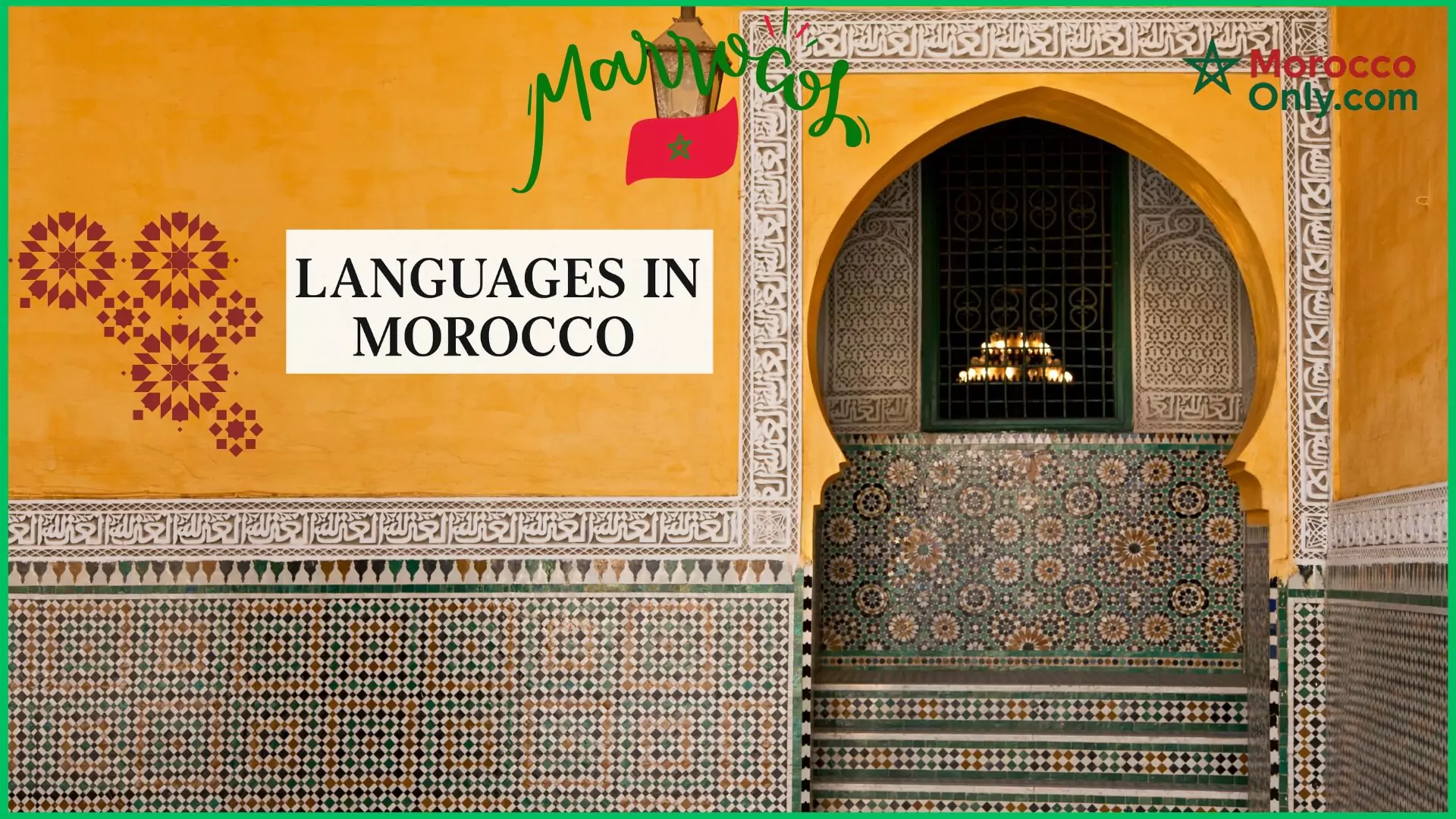
Languages in Morocco: Guide to Arabic, French, and Berber
So you’re curious about what languages people speak in Morocco? Trust me, it’s way more fascinating (and complicated) than you’d think! Let me break it down for you.
Morocco’s Amazing Language Mix
So here’s the thing about Morocco – it’s basically a language lover’s paradise! Picture this: you’ve got three completely different language families all hanging out together in one country. We’re talking Arabic, French, and Berber (they call it Tamazight), and somehow it all works together like some kind of linguistic magic trick.
I sincerely do not exaggerate when I state this is not just textbook material. If you walk down any street in Marrakech or Casablanca, you’ll hear any number of people switch between languages in the middle of sentences. It’s really quite unbelievable!
The whole language situation in Morocco is like a living history book. You’ve got ancient Berber tribes, Arab conquests, French colonial times, and now modern globalization all leaving their mark on how people talk. It’s like each era just added another layer to this incredible linguistic cake.
Arabic: The Heavy Hitter
Let me tell you about Arabic in Morocco – it’s actually two completely different beasts, and that’s where things get interesting!
The Fancy Arabic (Modern Standard Arabic)
In one sense, there is a formal Arabic known as Modern Standard Arabic (MSA). MSA is essentially Morocco’s “official” language; it is akin to the suit-and-tie version of Arabic. You will hear it on the news, in government, and when the imam giving Friday prayers. It is also the same Arabic that all Arab nations share, which connects Morocco to countries such as Egypt or Jordan.
Kids learn to read and write this formal Arabic in school, but here’s the kicker – it’s totally different from what they speak at home! It’s like learning Shakespeare’s English when all you want to do is chat with your friends.
The religious connection is huge too. Since MSA is super close to Quranic Arabic, it carries this sacred, important vibe that makes it feel special and authoritative.
The Real Deal: Darija (Moroccan Arabic)
Now THIS is where the magic happens! Darija is what Moroccans actually speak every day, and man, is it cool. It’s like Arabic had a party and invited French, Berber, and Spanish to join in. The result? Something that sounds Arabic but is sprinkled with words from everywhere else.
The funny thing is, if you speak Darija to someone from Egypt or Lebanon, they’ll probably look at you like you’re speaking an alien language. Each Moroccan city has its own flavor too – people from Tangier sound different from folks in Marrakech, and don’t even get me started on the mountain dialects!
When to Use What
Here’s the deal with these two Arabics: Darija is for real life – joking with friends, haggling in the market, family dinners, watching soap operas. It’s the language of feelings and authentic moments.
But when things get formal? That’s MSA time. Business meetings, academic conferences, official ceremonies – basically anytime you need to sound “proper.” It’s wild that Moroccans are essentially bilingual within their own language!
French: The Unexpected Survivor
Morocco’s been independent since 1956, but French is still everywhere. I mean EVERYWHERE. It’s honestly surprising until you understand the backstory.
The Colonial Hangover (But Make It Practical)
During the French Protectorate (1912-1956), the French basically said, “We’ll handle the modern stuff, you keep your Arabic for cultural things.” Smart move, actually, because it meant when independence came, all the systems were still running in French. Schools, government, legal stuff – it was all French-operated.
Rather than completely overhauling everything (which would’ve been a nightmare), Morocco just kept the French systems running. Plus, staying connected to Europe and French-speaking Africa made economic sense.
French = Career Opportunities
Here’s the real talk: if you want to get ahead in Morocco, you better speak French. University? Most science and engineering programs are in French. Good job? You’ll probably need French for anything in business, tech, or international work.
Even government paperwork often comes in both Arabic and French. It’s like Morocco accepted that being bilingual is just part of the deal.
Why French Isn’t Going Anywhere
Look, French might not be “official,” but it’s definitely essential. Big companies want French speakers, the tourism industry runs on it, and if you want to work with European partners, you’re gonna need it. Young Moroccans get this – they know French is their ticket to better opportunities.
Morocco’s even part of the Francophonie (the French-speaking world club), so the connections are real and valuable.
Berber Languages: The Comeback Story
This is probably the coolest part of Morocco’s language story. Tamazight (the umbrella term for Berber languages) is literally the original language of Morocco, spoken by the indigenous people way before Arabs or French showed up.
From Ignored to Official
Berber languages have been sidelined for a significant period of time, but in 2011 – kaboom! – a constitutional amendment granted Tamazight cultural minimum standing as an official language with Arabic. What a transformation! This even better recognized the 40% of Moroccans that spoke Berber languages.
The government even created this Royal Institute of Amazigh Culture to develop writing systems, create textbooks, and basically give Berber languages the respect they deserve. It’s still a work in progress, but the progress is real.
The Three Main Flavors
Morocco’s got three main Berber varieties, and they’re all pretty distinct:
Tarifit is up north in the Rif Mountains (about 1.5 million speakers). You’ll catch some Spanish influences here because of the historical connections.
Tashelhit dominates the south – High Atlas, Anti-Atlas, Souss Valley. This is the big one with over 3 million speakers, and it’s got amazing oral traditions and stories.
Tamazight (the central one) is spoken in the Middle Atlas. Each has its own personality and quirks.
The Revival Is Real
It’s actually pretty exciting to see Berber languages making a comeback. Radio stations, TV shows, even social media content – it’s all happening. Schools in Berber-majority areas are starting to offer classes, though they’re still figuring out the logistics.
The biggest challenge? Getting enough teachers and deciding which dialect to standardize. But hey, Rome wasn’t built in a day!
School Life: Juggling Three Languages
Imagine being a Moroccan kid – you’ve got to master Arabic (both kinds), French, AND maybe Berber too. It sounds overwhelming, but somehow they make it work!
The Language Journey
Elementary school starts with Arabic literacy plus basic French. By high school, French gets serious, especially for science subjects. Then university hits you with full-on trilingual requirements depending on what you study.
It’s like linguistic boot camp, but the payoff is huge – these kids end up being natural polyglots!
The 2019 Shake-Up
Morocco recently tried to balance things out with new education laws. They want to strengthen Arabic while keeping French for technical stuff, plus adding Berber instruction where it makes sense.
Sounds good on paper, but the reality? Teachers are struggling to keep up with all the language requirements, especially in rural areas where resources are tight.
The Rural-Urban Split
City schools generally handle the multilingual thing better – more resources, better teachers, more exposure to different languages. Rural schools? That’s where the challenges really show up. Not enough qualified teachers, limited materials, and sometimes kids come to school speaking only Berber at home.
Government and Legal Stuff
Morocco’s government basically had to figure out how to run a country in multiple languages, and honestly, they’re still working on it.
Official vs. Practical
Officially, it’s Arabic and Berber. In practice? French is still the working language for tons of government departments, especially anything dealing with international stuff or technical subjects.
Try going to a government office – you’ll probably encounter Arabic forms with French instructions, or staff who switch between languages depending on what they’re explaining.
Court Drama
Legal proceedings are supposed to be in Arabic, but commercial law is still heavy on French terminology. Imagine being in court and needing a translator not because you don’t speak the “official” language, but because the legal jargon is in yet another language!
Media: Where Languages Come Alive
Morocco’s media scene is like a linguistic playground where you can really see how the language mix works in real life.
Traditional Media
Arabic newspapers serve the masses with local news and cultural content. French papers target the educated, internationally-minded crowd with business and world news. Different audiences, different languages, different perspectives.
TV is where it gets fun – Arabic soap operas, French news, and increasingly, Berber programming. Channel surfing in Morocco is like a world tour!
Social Media Revolution
This is where young Moroccans are really changing the game. Instagram, TikTok, Facebook – they’re writing in Darija (which traditionally wasn’t written much), mixing languages in the same post, and basically creating new ways to communicate.
YouTube channels in Moroccan Arabic are getting huge followings, legitimizing the everyday language in ways that never happened before. It’s pretty revolutionary when you think about it!
Code-Switching: The Moroccan Superpower
Okay, this might be my favorite part. Code-switching is when you mix languages in the same conversation, and Moroccans are absolute masters at this.
How It Works
Picture this: you’re in a business meeting, and someone starts in French for the technical stuff, switches to Darija to crack a joke and build rapport, then drops into formal Arabic for the official agreement. All in one conversation!
It’s not random either – there’s actually logic to it. French for technical terms, Darija for emotions and humor, formal Arabic for serious official stuff.
Generational Differences
Older folks might lean more Arabic-French, while younger people throw in English and keep their Berber connections strong. Social class plays a role too – urban educated folks mix in more French, while rural communities might favor Arabic-Berber combinations.
Real-Life Examples
Market scenes are the best for seeing this in action. A vendor might size up a customer and switch languages based on their clothes, accent, or response – all to make that sale! It’s like linguistic salesmanship.
Tourism: Lost in Translation?
If you’re planning to visit Morocco, the language situation might seem intimidating, but it’s actually pretty manageable.
The English Question
English is growing, especially in tourist areas and among young people, but don’t count on it everywhere. Marrakech medina? You’ll find English speakers. Remote mountain village? Maybe not so much.
Survival Tips
Learn a few basic phrases in Darija – even trying will get you smiles and better treatment. French is your backup for more complex conversations, especially in cities. Tourist areas usually have multilingual signs, but having Google Translate handy never hurts!
The tourism industry is getting better at training workers in multiple languages, recognizing that language skills literally translate to better tips and customer satisfaction.
Identity and Pride
This is where things get emotional. Language isn’t just communication in Morocco – it’s identity, heritage, and cultural pride all rolled into one.
Youth Navigating Identity
Young Moroccans are dealing with some complex identity stuff. They want to honor their heritage languages while also being globally competitive. Social media shows them expressing themselves in Darija while maintaining their Arabic and French skills for school and work.
The Heritage Question
Berber speakers often see their language as resistance against historical marginalization. Arabic speakers view their language as essential to religious and cultural authenticity. French competence signals education and international outlook, though opinions on French vary based on how people feel about colonial history.
The Great Debate
There’s ongoing discussion about which languages should dominate in education and public life. Some want more Arabic to reduce foreign influence, others embrace multilingualism as Morocco’s strength. It’s political, cultural, and practical all at once.
Globalization’s Impact
The world is getting smaller, and Morocco’s language landscape is feeling it.
English Is Coming
English is absolutely gaining traction, particularly in business and technology/video games. Private schools are introducing English programs, and young people are aware that it opens certain doors for international opportunities. However, it’s not entirely supplanting the traditional three-language base – it’s literally a fourth layer.
Digital Revolution
Social media and digital platforms are changing how Moroccans use their languages. Darija is getting written more than ever, Berber languages are finding new platforms, and creative mixing of languages is becoming an art form.
Rural areas are experiencing this too – satellite TV and internet are bringing in new linguistic influences while local languages adapt and survive.
Politics and Policy
Language policy in Morocco involves balancing a lot of competing interests, and it’s honestly pretty complex.
The Ongoing Debate
Political discussions about language often reflect bigger questions about national identity and historical justice. Berber advocates want more resources and recognition. Arabic supporters focus on unity and religious identity. French debates center on practical competitiveness versus cultural independence.
Finding Balance
The trick is recognizing linguistic diversity while maintaining national unity. It requires compromise in education, government services, and media that serves everyone’s needs without favoring one group over others.
NGOs and activist groups play important roles in advocating for different language communities and providing feedback to policymakers.
Moroccan Communities Abroad
Moroccans living overseas face unique challenges in maintaining their linguistic heritage while adapting to new environments.
Keeping Languages Alive
Moroccan families abroad work hard to pass on Arabic, Berber, and French to their kids, though success varies. Community centers, weekend schools, and cultural events help, but it’s an uphill battle against the dominant local language.
The Shift Reality
Second and third-generation Moroccans often experience language shift – they understand their heritage languages but may not be fully fluent. Family dynamics play a huge role in how much language gets passed down.
Some communities have created bilingual education programs to help kids maintain both heritage and local language competence, though these require significant community resources and commitment.
What’s Next?
So where are Morocco’s languages headed? It’s fascinating to think about!
Future Predictions
The multilingual foundation will probably stick around – it’s too deeply embedded in Moroccan culture to disappear. Arabic and Berber languages should maintain their roles as identity markers. French might see some domains shrink but will likely remain important for specific professional contexts. English influence will probably grow gradually without displacing the established languages.
Tech and Education
Educational technology could make multilingual education more accessible and effective. Digital content creation in all Moroccan languages might expand opportunities for literature, entertainment, and education that supports diversity while meeting modern needs.
Young Moroccans will continue developing creative linguistic practices, especially in digital spaces. Their innovations might influence broader language use patterns over time.
Wrapping It Up
Morocco’s language situation is honestly one of the most fascinating examples of multilingual society in action. Three major language families coexisting, millions of people effortlessly switching between languages, and a system that somehow manages to honor heritage while staying globally competitive.
What impresses me most is how naturally Moroccans navigate this linguistic complexity. From casual code-switching to trilingual education systems, they make it look easy when it’s actually incredibly sophisticated.
Understanding Morocco’s languages gives you insights into way more than just communication – it’s about history, identity, globalization, and how societies adapt to change while preserving what matters most.
The future probably holds continued balancing between linguistic heritage and contemporary needs, requiring ongoing dialogue and adaptation. But if Morocco’s track record is any indication, they’ll figure it out with the same creativity and pragmatism they’ve shown for centuries.
Quick Answers to Common Questions
What languages do they officially speak in Morocco? Arabic and Berber (Tamazight) are the two official languages since the 2011 constitution. French isn’t official but it’s everywhere and super important for practical stuff.
Do people still speak French there? Oh yeah, definitely! Most educated Moroccans speak French, and you’ll need it for university, business, and government jobs. It’s not going anywhere anytime soon.
What’s Darija and how’s it different from regular Arabic? Darija is Moroccan Arabic – the language people actually speak every day. It’s got Arabic as a base but mixed with Berber, French, and Spanish words. An Egyptian or Lebanese person would probably struggle to understand it!
Can you learn Berber in school now? Yes! Since 2011, schools in areas with lots of Berber speakers are starting to offer classes. It’s still being rolled out gradually and they’re working through challenges like finding teachers and creating materials.
Do Moroccans speak English? It’s growing, especially among young people and in tourist areas, but it’s not widespread yet compared to Arabic, French, and Berber. More schools are adding English classes though, so that’s changing!