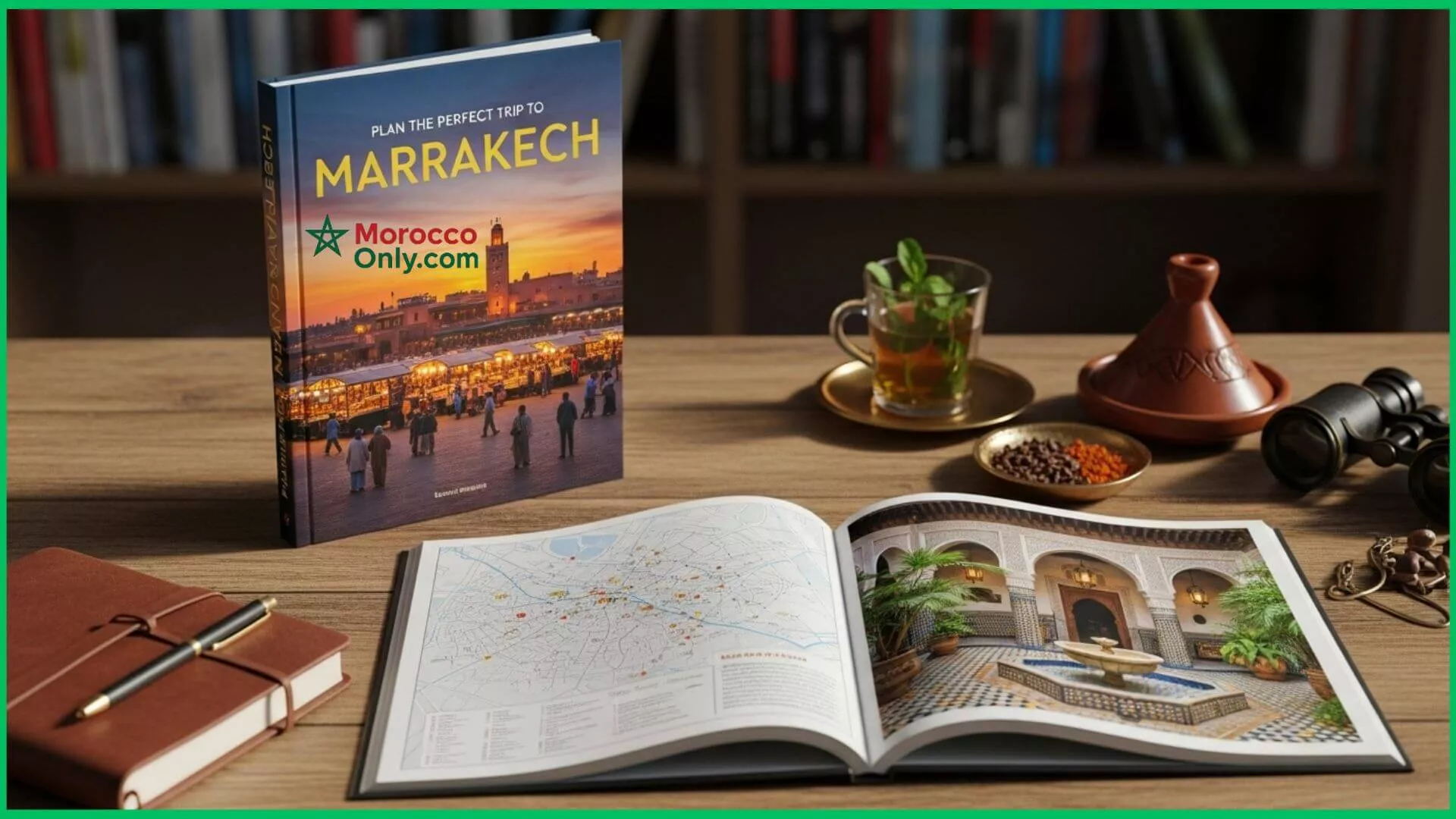
Plan the Perfect Trip to Marrakech: A Complete Travel Guide
Marrakech hits different. There’s something about this city – maybe it’s the call to prayer echoing over salmon-pink walls, or the chaos of snake charmers and food stalls in the main square, or just the way ancient meets modern in the coolest way possible. Whatever it is, “The Red City” gets under your skin fast.
This isn’t your typical European city break. Marrakech is sensory overload in the best way – the smell of spices and leather in the souks, the taste of mint tea on every rooftop, the sight of those intricate tile patterns everywhere you look. Plus, you’ve got desert adventures, mountain escapes, and some seriously luxe riads all within reach.
Quick facts before we dive in: Marrakech is in west-central Morocco, about 150 miles from the coast. Most people speak Arabic and French (English is common in tourist areas). The currency’s the Moroccan dirham, and honestly, your money goes pretty far here. This guide’s gonna cover everything you need to know – from where to crash to what to eat to how not to get lost in the medina.
Why Visit Marrakech?
Here’s the deal: Marrakech manages to be both ancient and buzzing with energy. You’ll find centuries-old palaces steps away from trendy cafés serving flat whites. Traditional hammams share streets with boutique spas. It’s this wild mix that makes it special.
The experiences here are just different. Where else are you bargaining for handwoven rugs in a 900-year-old marketplace, then sipping cocktails on a rooftop overlooking it all? You can do a traditional hammam scrub, take a Moroccan cooking class, ride camels in the desert, or just get gloriously lost in the souks.
Instagram people love it here (and yeah, it’s incredibly photogenic), but there’s substance behind the pretty pictures. The whole medina’s a UNESCO World Heritage site packed with actual history and culture. You’re not just visiting – you’re stepping into a living, breathing piece of the past.
Best Time to Visit Marrakech
Spring (March–May)
This is peak perfection. Weather’s warm but not brutal, gardens are blooming, and everything just feels alive. You’ll pay a bit more and deal with crowds, but it’s worth it. The orange blossoms smell incredible.
Summer (June–August)
Not gonna lie – it’s HOT. Like, 100°F+ hot. But if you can handle the heat, hotels are cheaper and you’ll have some spots to yourself. Early mornings and evenings are still pleasant, and it’s actually great weather for heading to the desert.
Autumn (September–November)
Another sweet spot. Temps cool down but it’s still sunny and beautiful. September can still be warm, but by October and November it’s perfect. Great time for hiking in the Atlas Mountains too.
Winter (December–February)
Cooler and quieter. You’ll need a jacket for evenings (it can actually get pretty cold), but days are usually nice. Way fewer tourists, better prices, and you can still enjoy most activities. Just avoid if you’re planning serious mountain trekking.
Ramadan tip: If you visit during Ramadan, respect that locals are fasting during daylight. Many restaurants still serve tourists, but be discreet. The evening iftar meals breaking the fast are actually pretty special to experience.
Getting to Marrakech
Marrakech Menara Airport (RAK) is well-connected with direct flights from major European cities, some Middle Eastern hubs, and even a few North American routes. Budget airlines like Ryanair and easyJet fly here, so you can sometimes snag crazy good deals.
Most nationalities get visa-free entry for 90 days – Americans, Canadians, Europeans, Australians, you’re good. Just make sure your passport’s valid for at least six months.
From the airport to the city (about 4 miles), you’ve got options:
- Official taxis: Fixed price around 100-150 dirhams to the medina. Get a receipt and agree on price before getting in.
- Private transfers: Book ahead for hassle-free pickup (especially nice if you’re arriving late or staying in a hard-to-find riad).
- Buses: Cheapest option but not super convenient with luggage.
Where to Stay in Marrakech
The Medina
This is the old walled city – narrow streets, traditional riads, and you’re walking distance to everything. Staying in a riad (traditional Moroccan house built around a courtyard) is THE Marrakech experience. Just know that cars can’t access most of the medina, so you might be wheeling luggage through the souks. Worth it though.
Gueliz
The “new town” – modern, wide streets, shopping malls, bars (yes, actual bars), and a different vibe entirely. Less atmospheric but way more practical if you want familiar comforts.
Palmeraie
The luxury resort area on the outskirts. Think big pools, golf courses, and spa retreats. You’ll need transport to get into town, but it’s perfect if you want relaxation over immersion.
Budget: Lots of decent hostels and budget riads in the medina (€20-40/night)
Mid-range: Beautiful traditional riads with pools and roof terraces (€60-120/night)
Luxury: Places like La Mamounia, Royal Mansour, or high-end riads (€300+/night)
Top Things to Do in Marrakech
Explore the Medina & Souks
Jemaa el-Fnaa is where the madness happens. By day it’s street performers, orange juice stands, and snake charmers. At night, it transforms into this massive outdoor food court with smoke rising from dozens of grills. It’s overwhelming and amazing.
The souks sprawling out from the square are a whole world. Souk Semmarine and Souk Ableuh are the main drags, but the best stuff’s often tucked down random side alleys. Spices, lanterns, leather goods, carpets, metalwork – it’s endless. Getting lost is kinda the point.
Visit Historical Landmarks
Bahia Palace: Stunning 19th-century palace with gorgeous tile work and gardens. Get there early before the tour groups arrive.
El Badi Palace: Ruined palace that’s actually cooler because it’s ruined. Climb up for views and check out the storks nesting in the walls.
Saadian Tombs: Hidden for centuries and rediscovered in 1917. The tile and carving work is insane. There’s usually a line but it moves fast.
Experience Moroccan Culture
Do a hammam – the traditional bathhouse experience. You can go local (cheap but potentially intimidating) or touristy (pricier but they walk you through it). Either way, you’ll be scrubbed cleaner than you’ve ever been.
Cooking classes are super popular and actually really fun. You usually hit the market to shop for ingredients, then learn to make tagine or couscous. Plus you get to eat everything after.
Nature & Adventure
Majorelle Garden: Created by French painter Jacques Majorelle, later owned by Yves Saint Laurent. It’s this incredibly blue garden oasis (seriously, that blue is BLUE). The YSL Museum next door is worth adding on.
Day trips: The Atlas Mountains are right there – you can do day trips to Berber villages, the Ourika Valley for waterfalls and hiking, or the Agafay Desert for that rocky desert landscape without going all the way to the Sahara.
What to Eat in Marrakech
Must-try dishes:
Tagine: Slow-cooked stew (lamb, chicken, or veggie) named after the conical pot it’s cooked in. Everyone does it slightly different.
Couscous: Friday’s the traditional couscous day. Fluffy semolina grains with vegetables and meat.
Pastilla: Sweet and savory pie with pigeon or chicken, almonds, and cinnamon wrapped in phyllo. Sounds weird, tastes amazing.
Harira: Hearty soup with tomatoes, lentils, and chickpeas. Especially popular during Ramadan.
Where to eat:
Street food at Jemaa el-Fnaa is an experience (just pick busy stalls). Rooftop restaurants around the square offer views with your meal – Nomad and Le Jardin are popular. For something fancier, Al Fassia is run entirely by women and serves incredible traditional cuisine.
Don’t skip the mint tea. It’s everywhere, super sweet, and part of the whole culture. Say yes when offered – it’s hospitality.
Shopping in Marrakech
What to buy:
- Spices: Saffron, ras el hanout spice mix, argan oil
- Textiles: Berber rugs, blankets, leather poufs
- Ceramics: Colorful tagine pots and dishes
- Leather: Bags, slippers (babouches), jackets
- Metalwork: Lanterns, tea sets, mirrors
Bargaining tips:
Everything’s negotiable in the souks. Start at about 40-50% of the asking price and work from there. Don’t be afraid to walk away – if they really want the sale, they’ll call you back. Stay friendly and make it fun, not confrontational.
Shop at cooperatives for fair prices and to support artisans directly. The Ensemble Artisanal is government-run with fixed prices – good for getting a baseline before hitting the souks.
Day Trips & Excursions
Atlas Mountains & Berber Villages
About an hour’s drive and you’re in the mountains. Visit traditional villages, hike to waterfalls, have lunch with a Berber family. The scenery’s incredible.
Essaouira
Coastal town about 2.5 hours away. Way more chill than Marrakech, with beaches, windsurfing, and amazing seafood. Perfect for a day trip or overnight.
Agafay Desert
The “stone desert” only 30 minutes out. You get desert vibes without the long drive to the Sahara. Great for sunset camel rides or a night in a luxury camp.
Ouzoud Waterfalls
Morocco’s biggest waterfalls, about 2.5 hours northeast. You can swim, see wild monkeys, and escape the city heat.
Cultural Etiquette & Travel Tips
Dress modestly: Especially in the medina. Cover shoulders and knees. You don’t need to cover your head unless entering a mosque.
Scams to watch for: Fake guides offering “help” then demanding payment. Guys on motorbikes directing you to shops for commission. The old “tannery viewing fee” trick. Just be aware and firm with “no thanks.”
Money stuff: Dirhams are the only accepted currency. ATMs are everywhere. Credit cards work in nicer places but bring cash for souks and street food. Tipping’s appreciated – 10-20 dirhams for helpful service, 10% in restaurants.
Basic phrases: Salam alaikum (hello), Shukran (thank you), La shukran (no thank you – useful in the souks), Inshallah (God willing – you’ll hear this constantly)
Getting Around Marrakech
The medina’s a maze. Google Maps helps but isn’t perfect with the tiny alleys. Download an offline map and embrace getting lost a bit – that’s half the adventure.
Petit taxis (small red ones) are metered and cheap for getting around. Make sure they use the meter or agree on a price first. They fit max 3 people.
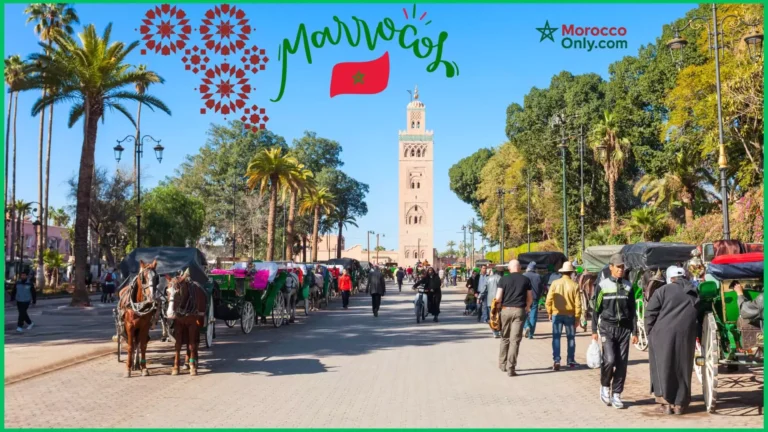
Calèches (horse-drawn carriages) are touristy but fun for a tour around the ramparts.
Local guides can be worth it, especially for your first day navigating the souks. Book through your riad or a reputable company.
Marrakech Travel Itinerary Ideas
2-Day Itinerary: The Highlights
Day 1: Explore Jemaa el-Fnaa and the souks in the morning. Visit Bahia Palace. Lunch at a rooftop café. Afternoon at Majorelle Garden. Evening back to the square for dinner and the scene.
Day 2: Morning at the Saadian Tombs and El Badi Palace. Afternoon hammam experience. Evening cooking class or dinner at a traditional restaurant.
4-Day Itinerary: Culture, Food & Shopping
Add to the 2-day itinerary:
Day 3: Day trip to the Atlas Mountains and a Berber village. Traditional lunch in the mountains. Return for a relaxed evening.
Day 4: Morning shopping in the souks. Visit the Ben Youssef Madrasa (stunning Islamic architecture). Afternoon at leisure exploring quieter medina areas. Sunset drinks on a rooftop terrace.
7-Day Itinerary: The Full Experience
Add to the 4-day itinerary:
Day 5: Full-day trip to Essaouira. Explore the medina, walk the ramparts, eat seafood by the port.
Day 6: Agafay Desert experience – camel ride, sunset, dinner under the stars. Or visit Ouzoud Waterfalls.
Day 7: Slow morning, final souvenir shopping, spa time at your riad. Farewell dinner somewhere special.
Practical Information
Internet: WiFi’s standard in hotels and riads, spotty in the medina streets. Get a local SIM card at the airport or phone shops in Gueliz (cheap and easy).
Health: No required vaccines but Hep A and typhoid are recommended. Drink bottled water. Travel insurance is smart – medical care’s good but you’ll pay upfront.
Electricity: 220V with European-style plugs (two round pins). Bring an adapter.
Emergency contacts: Police 19, Ambulance 15, Fire 15
Sustainable Travel in Marrakech
Stay in locally-owned riads instead of international chains. Eat at family-run restaurants. Shop directly from artisans in the souks rather than tourist shops.
Some riads are super eco-conscious with solar power and water conservation. Ask when booking.
Skip plastic bottles – get a filtered water bottle or ask your riad to refill from their filtered system. Don’t buy items made from endangered species or ancient artifacts.
Respect that you’re a guest in a conservative Muslim country. Photography’s fine but always ask before photographing people, especially women.
Look, Marrakech isn’t for everyone. It can be loud, chaotic, overwhelming, and sometimes frustrating. But if you roll with it – embrace the haggling, get “lost” in the medina, say yes to that fourth glass of mint tea, try the street food even though it looks sketchy – it becomes magical.
The city rewards curiosity. The best experiences are usually through a random door in an unmarked alley, recommended by someone you just met, completely unplanned. Leave room for spontaneity.
Don’t just stick to the main tourist circuit. Wander the quieter neighborhoods, chat with shop owners, watch craftsmen work, sit in a local café. That’s where the real Marrakech is.
Ready to plan your trip? Start with when you’re going, book a riad that speaks to you, and maybe learn a few Arabic phrases. The rest will fall into place once you’re there, surrounded by the scent of spices and the sound of chaos. Trust me, you’re gonna love it.