Planning a Trip to Morocco: A First-Timer’s Visitor Guide
So you’re thinking about Morocco? Smart choice. This North African gem has everything—ancient cities that feel like stepping into a movie set, deserts that’ll make your Instagram explode, mountains where time moves slower, and food so good you’ll dream about it for months. Whether you’re into adventure, culture, or just want to wander through colorful markets with a mint tea in hand, Morocco’s got you covered.
This guide will walk you through everything you need to know for your first trip: where to go, what to eat, how to get around, and those little insider tips that make the difference between a good trip and an unforgettable one.
Why Morocco Should Be on Your Travel List
Morocco isn’t your typical vacation spot—it’s like four countries rolled into one. You’ve got the wild Sahara Desert in the south, the snow-capped Atlas Mountains in the middle, chaotic medinas (old towns) bursting with life, and chilled-out coastal towns where you can reset.
What makes it extra special is the cultural mix. You’re getting Arab, Berber, African, and even European influences all mashed together. The architecture is stunning, the people are genuinely welcoming, and honestly? The whole place just feels different in the best way possible.
Perfect for history buffs, foodies, photographers, and anyone who wants to feel like they’ve actually traveled somewhere.
When Should You Actually Go?
Morocco’s got four seasons, but they hit differently depending on where you are.
Spring (March-May) and fall (September-November) are your best bets. Weather’s perfect almost everywhere—not too hot, not too cold. Plus, spring brings wildflowers in the mountains and fall means harvest festivals.
Summer (June-August) works great for the coast (Essaouira, Casablanca) but Marrakech and the desert? Brutal. We’re talking 40°C+ (over 100°F). If you’re doing the Sahara in summer, you’re braver than me.
Winter (December-February) is actually nice for desert trips and southern cities, but pack layers—it gets chilly at night. The Atlas Mountains get snow, which is cool if you’re into winter hiking.
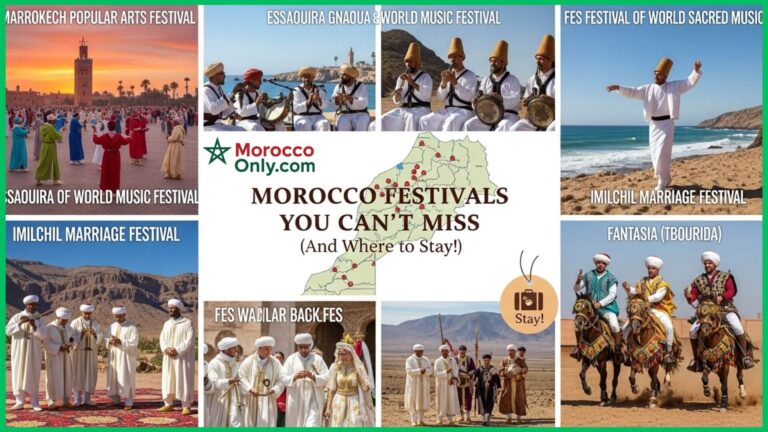
Don’t miss festival season if you can swing it. The Marrakech Popular Arts Festival and the Erfoud Date Festival are proper experiences.
Where to Go (The Can’t-Miss Spots)
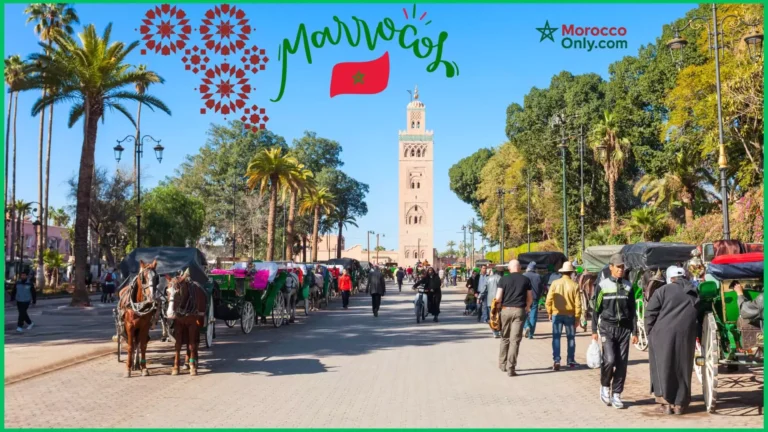
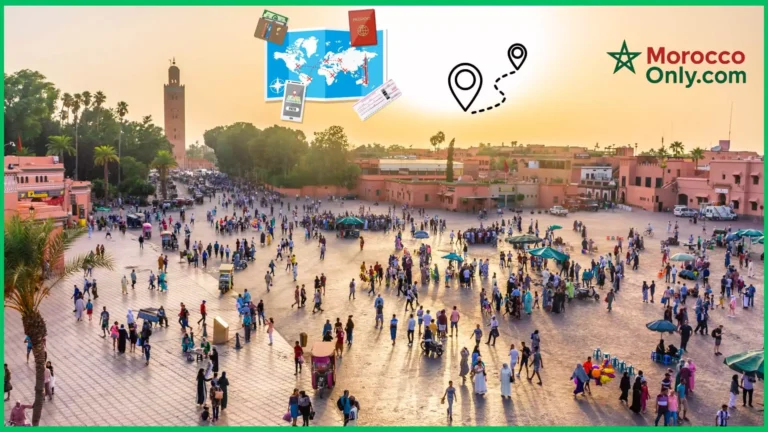
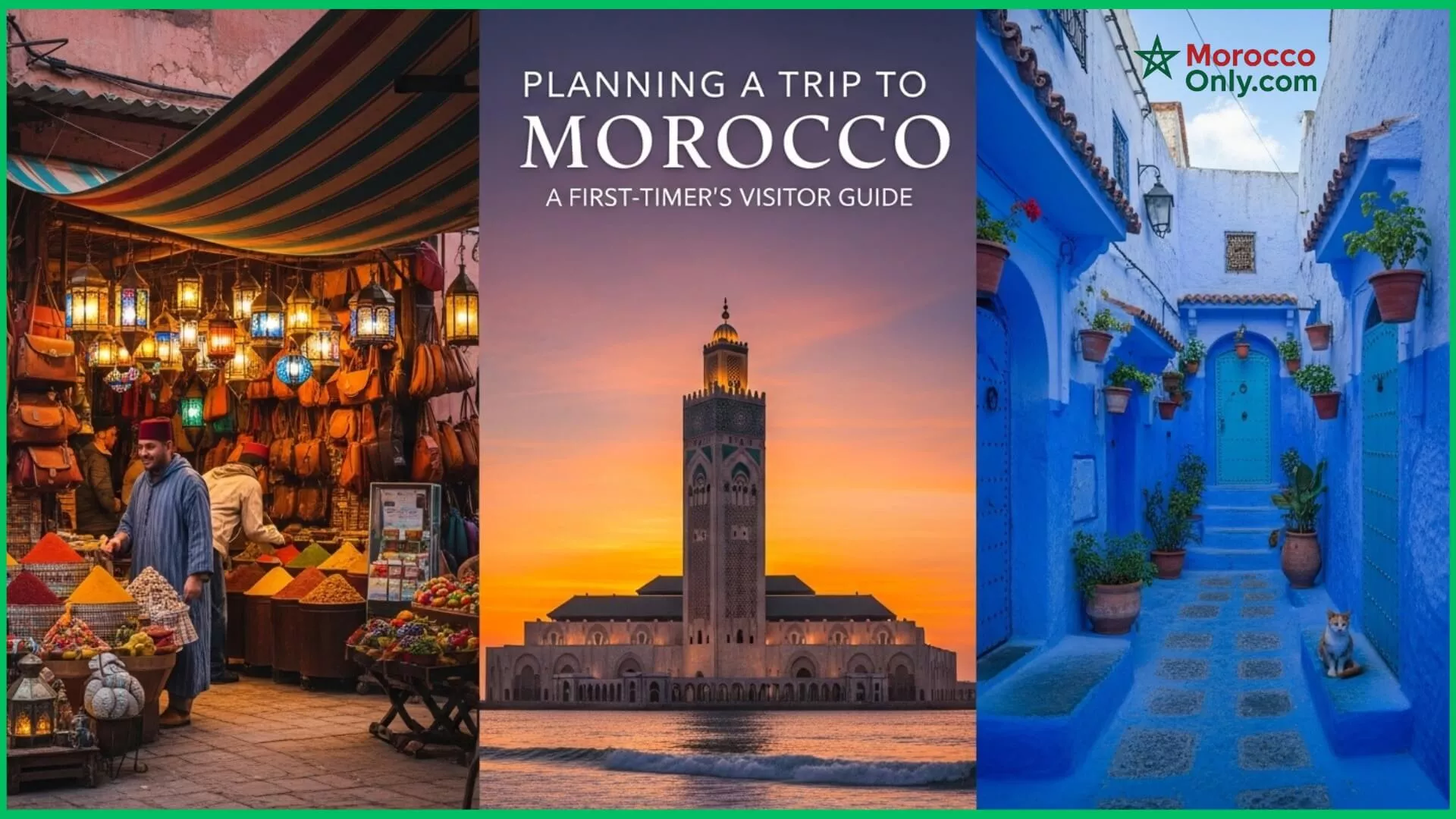
Marrakech is probably where you’ll start. The main square (Jemaa el-Fnaa) is absolute chaos—snake charmers, food stalls, storytellers, you name it. The souks are a maze where you’ll get lost (on purpose). Check out Bahia Palace and the Majorelle Garden. Just prepare for sensory overload in the best way.
Fes is the cultural heavyweight. Its medina is one of the world’s largest car-free zones and feels medieval. The tanneries are Instagram gold, even if they smell… intense. This is where you go for authentic Morocco vibes.
Chefchaouen (the Blue City) is like someone painted an entire town Instagram-blue. It’s tucked in the Rif Mountains, super photogenic, and way more relaxed than the bigger cities. Perfect for catching your breath.
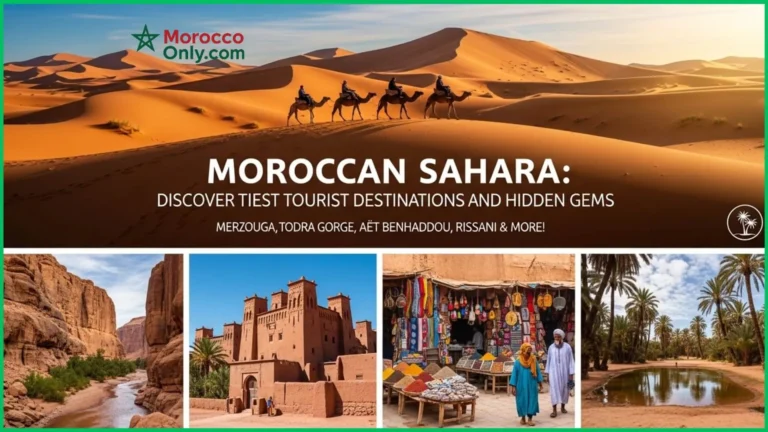
Sahara Desert is non-negotiable. You haven’t done Morocco until you’ve ridden a camel into the dunes at sunset and slept under more stars than you knew existed. Most people go to Merzouga or Zagora.
Essaouira gives you that coastal chill after all the desert heat. Great seafood, cute blue-and-white buildings, and way less intense than Marrakech.
Atlas Mountains are perfect if you want to hike through Berber villages and see a completely different side of Morocco. Imlil is the go-to base for mountain trips.
Getting Around Without Losing Your Mind
Morocco’s transport game is actually pretty solid. Trains connect the major cities (Marrakech, Fes, Casablanca, Tangier) and they’re comfortable and cheap. Book first class—it’s like $10 more and totally worth it.
For places trains don’t reach, CTM and Supratours buses are your friends. They’re reliable and air-conditioned. Just book ahead during peak season.
Grand taxis (shared taxis) are an experience. You cram six people into an old Mercedes and go. It’s cheap and authentic but not exactly comfortable.
Renting a car gives you freedom, especially for the Atlas Mountains or smaller towns, but Moroccan driving is… let’s say spirited. If you’re not confident, stick with drivers or tours.
Inside medinas, forget wheels—it’s all walking through narrow alleys. Get lost. Seriously, that’s half the fun.
What to Eat (This Deserves Its Own Vacation)
Morocco’s food scene will ruin you for other cuisines. Tajine (that cone-shaped pot of slow-cooked heaven) comes in a million varieties—lamb with prunes, chicken with olives, veggie versions. All amazing.
Couscous is usually a Friday lunch thing, but you’ll find it everywhere. Fluffy, buttery, served with vegetables and meat.
Pastilla is this sweet-and-savory pie with pigeon (or chicken), almonds, and cinnamon. Sounds weird, tastes incredible.
Harira is a hearty soup perfect for starting meals, especially during Ramadan.
And the mint tea? It’s everywhere, served super sweet in tiny glasses. Say yes to every offer—it’s hospitality and hydration in one.
Street food is generally safe—look for busy stalls (high turnover = fresh food). The snail soup might take some courage though.
Staying Respectful (And Safe)
Morocco’s pretty conservative outside the tourist zones. Dress modestly—cover shoulders and knees, especially women in rural areas or religious sites. Loose, breathable clothes work perfect anyway.
Learning a few phrases goes a long way: Salam alaikum (hello), Shukran (thank you), La shukran (no thank you—you’ll use this in souks). Even broken attempts get smiles.
Safety-wise, Morocco’s generally chill. The usual rules apply: watch your stuff in crowded areas, agree on taxi prices before getting in, and don’t flash expensive gear. Scams happen (the “free tour guide” who wants payment later), but nothing aggressive. Just be smart.
Women travelers—you might get attention, especially if traveling solo. It’s usually just staring, but dress conservatively and confident body language helps. Many women travel Morocco solo without issues.
Where to Crash
Riads are traditional Moroccan houses converted into guesthouses. They’re built around central courtyards and feel special—perfect for medina stays. Some are budget-friendly, others are boutique luxury.
Hotels work if you want modern amenities and less personality. International chains exist in bigger cities.
Desert camps range from basic (shared tents, squat toilets) to luxury (private tents, proper bathrooms). Both deliver on the stargazing though.
In Marrakech, stay near (but not right in) the medina. Fes—same deal. Chefchaouen is small enough that anywhere works.
Practical Stuff You Actually Need to Know
Visa: Most nationalities get 90 days free. Check your specific country, but it’s pretty easy.
Money: Currency is the Moroccan dirham (MAD). ATMs are everywhere in cities. Carry cash for small purchases and tips. Card acceptance is growing but don’t rely on it.
Tipping: 10% in restaurants, round up for taxis, small bills for guides. It’s expected but not mandatory.
Internet: Wi-Fi is decent in hotels and cafes. Grab a local SIM card (Maroc Telecom or Orange) at the airport—super cheap and useful.
Pack: Layers (desert nights get cold), comfortable walking shoes, sunscreen, and a scarf (useful for dust, sun, or covering up). Power adapters if you’re not from Europe.
Your First Morocco Adventure (7-10 Days)
Day 1-3: Marrakech
Explore the souks, visit palaces, experience Jemaa el-Fnaa at night. Day trip to the Atlas Mountains or Essaouira if you want variety.
Day 4-5: Sahara Desert
Drive through the Dades Valley (stunning), spend a night in the dunes. This is the highlight for most people.
Day 6-7: Fes
Get lost in the medina, see the tanneries, visit mosques and madrasas.
Day 8-9: Chefchaouen
Chill in the blue city, hike nearby if you’re energetic.
Day 10: Casablanca (optional)
Check out Hassan II Mosque if you’ve got extra time.
Feel free to flip the order or skip Casablanca for more time elsewhere.
Ready to Go?
Morocco’s one of those places that hits different—it’s chaotic and calm, ancient and alive, familiar and totally foreign all at once. Yeah, you’ll probably get turned around in a medina, haggle poorly for rugs you don’t need, and eat way too much bread. That’s the point.
Travel respectfully, stay curious, tip well, and let yourself get swept up in it all. Morocco rewards the adventurous.
FAQ
Is Morocco safe for solo travelers?
Yes, very. Use common sense, dress modestly, and you’ll be fine. Solo female travelers should expect some attention but most report positive experiences.
What’s the currency?
Moroccan dirham (MAD). Roughly 10 dirhams = 1 USD/EUR.
Can you drink alcohol?
Yes, but it’s not everywhere. Hotels, tourist restaurants, and some bars serve it. Not sold in street shops.
Is Morocco expensive?
Depends on your style. Budget travelers can do $40-50/day, mid-range $80-120, luxury $200+. Food and transport are cheap, riads vary wildly.
Would you like me to expand any particular section or add specific tips for traveling during Ramadan?