The Best Football Stadiums in Morocco to Visit Today
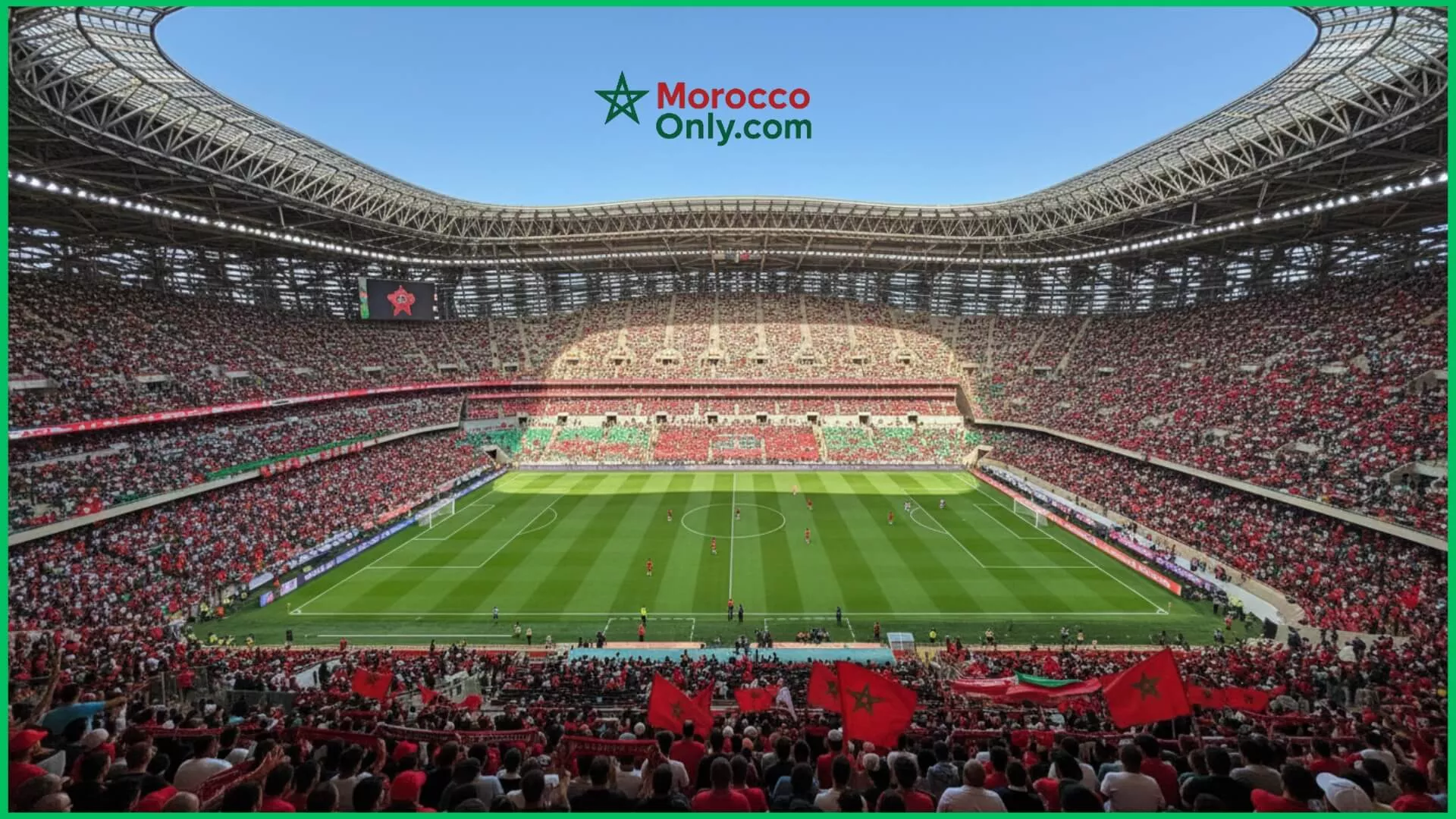
Morocco is quickly becoming the place to be for football fans who love exploring stadiums. With AFCON 2025 kicking off in December and the country co-hosting the 2030 World Cup, billions of dirhams are pouring into state-of-the-art venues. Whether you’re a groundhopper ticking off stadiums, a casual traveler, or an ultra who lives for the atmosphere, this guide covers the most impressive grounds worth visiting—even when there’s no match on.
Why Visit Football Stadiums in Morocco?
Moroccan football culture is intense. Cities like Casablanca, Rabat, Tangier, and Agadir live and breathe the beautiful game, with passionate supporters creating atmospheres that rival anywhere in Europe. After Morocco’s magical run to the 2022 World Cup semi-finals, the government went all-in on upgrading stadiums into modern multi-purpose venues that actually look amazing.
This guide is perfect for groundhoppers collecting stadiums, tourists wanting unique photo ops, hardcore ultras seeking authentic fan experiences, and anyone curious about Morocco’s football scene.
Grand Stade de Tanger (Ibn Batouta Stadium, Tangier)
An overview: Located in Tangier and opened in 2011, this stadium seats 75,600 and is the home of IR Tanger. It is named after a famous Moroccan explorer, Ibn Battuta (which is a nice touch). It also underwent a significant renovation ahead of the 2022 FIFA Club World Cup.
Why it rocks: The modern bowl design creates a cauldron of noise during big games, and since it’s in Morocco’s north, it’s often your first stop when entering the country. The capacity drops to 71,000 for World Cup matches to meet FIFA standards, but it’s still massive.
Visiting tips: Tangier’s a great city to explore—combine your stadium visit with wandering the medina, checking out the coastal views, and grabbing some fresh seafood. The stadium’s pretty accessible from the city center, so it’s easy to fit into a day of sightseeing.
Prince Moulay Abdellah Stadium (Rabat)
The basics: Rabat’s crown jewel got completely rebuilt and now fits over 68,000 people. It’s not just a stadium—there’s an indoor arena and Olympic pool nearby too.
Reason why it’s fantastic: This stadium is the fortress of the national team for Morocco, and it will be the main location for AFCON 2025. The architecture incorporates modern FIFA standards with elements of Moroccan design that are truly beautiful. Also plan to host great knockout matches for the World Cup in 2030.
Visiting tips: Getting there from central Rabat is straightforward. Match-day atmosphere is electric when the national team plays. After the game, take a stroll along the coast or visit the historic Kasbah of the Udayas—Rabat’s underrated for tourism!
Mohammed V Stadium (Casablanca)
The basics: Built way back in 1955, this is Morocco’s oldest and most legendary stadium. Capacity officially ranges from 45,000 to 67,000 depending on how it’s configured, and it’s the shared home of bitter rivals Raja Casablanca and Wydad AC.
Why it rocks: The Casablanca derby here is legendary. We’re talking 110,000 fans packed in during the famous 1997 derby (yeah, safety standards were different back then!). The north stand (Frimija) belongs to Wydad ultras, while Raja’s Magana stand is in the south—these groups bring insane choreography and passion. It’s genuinely one of Africa’s greatest football temples.
Visiting tips: If you’re going to a derby, arrive at least three hours early because parking and access get chaotic. Respect the ultra sections—don’t wander into the wrong stand wearing the wrong colors! Stay in Maârif neighborhood nearby for easy access, and grab photos of the stadium exterior, which has that classic vintage look.
Adrar Stadium (Agadir)
The basics: Modern stadium opened in 2013, holds 45,480, and is home to Hassania Agadir. Location’s unbeatable—near the Atlas Mountains with beaches super close.
Why it rocks: Clean, contemporary design with great sight lines from almost every seat. The backdrop is gorgeous, and it’s one of the most scenic tournament venues. Perfect for combining football with a beach vacation.
Visiting tips: Agadir’s a chill coastal city with great surf spots. Catch a night match here, then spend your days on the beach. Transport from the city center is easy, and the whole vibe is more relaxed than the intensity of Casablanca or Rabat.
Grand Stade de Marrakech
The basics: Built in 2011, capacity 45,240 (45,860 for World Cup games), home to Kawkab Marrakech. Hosted FIFA Club World Cup matches in 2013 and 2014.
Why it rocks: The desert-city setting is stunning. This isn’t just about football—the stadium with Marrakech’s landscape behind it makes for incredible photos. Big role in 2030 World Cup plans too.
Visiting tips: You can reach it from both the medina and new city areas. Visit in spring or fall when temps are comfortable—summer can be brutal. Pair your match with exploring Jemaa el-Fnaa square, the souks, or taking a day trip to the Atlas Mountains.
Fez Stadium
The basics: Part of the Fez Sports Complex, built in 2003 and officially opened in 2007. Currently holds about 35,468, with plans to expand to 55,800 by 2028. Home to Maghreb de Fès and Wydad de Fès.
Why it rocks: Recent renovations for AFCON 2025 and the World Cup turned this into a slick modern facility that still keeps authentic Moroccan identity. The glass facade lets in tons of natural light, which is pretty cool. Plus, you’re in Fez—one of the world’s most incredible medieval cities.
Visiting tips: Stadium’s centrally located, so logistics are easy. Spend the day getting lost (literally) in Fez’s ancient medina, then catch an evening match. The old city is a UNESCO World Heritage site and absolutely worth the visit. Standard safety and transport advice applies—stick to official taxis or ride-sharing apps.
Honor Stadium in Oujda
The basics: Opened in 1976, renovated in 2007, capacity around 30,000-35,000. Home to Mouloudia Club d’Oujda in Morocco’s east.
Why it rocks: This is real Moroccan football—more authentic, less touristy than the mega-stadiums. Intense regional support and a proper local atmosphere. Tickets are cheaper and way easier to get than Casablanca or Rabat.
Visiting tips: Include Oujda if you’re doing an eastern Morocco loop. The city’s close to the Algerian border and offers a different vibe from the typical tourist trail. Expect passionate fans and a genuine small-city football culture that’s hard to find elsewhere.
Other Notable Stadiums Worth a Detour
Don’t sleep on these mid-size grounds:
- Kenitra Municipal Stadium – Strong local support and easier tickets
- Larbi Benbarek and Larbi Zaouli stadiums (both in Casablanca) – Historic venues with character
- Berkane Municipal Stadium – Berkane’s in far northeast Morocco; great for serious groundhoppers
Why they matter: These places offer intimate atmospheres, fierce local rivalries, and tickets that won’t break the bank. If you’re a true stadium collector, these are gems worth adding to your list.
Future Mega-Projects: Hassan II Stadium and 2030 World Cup Plans
Here’s where it gets really exciting. Morocco’s building the Hassan II Stadium in Benslimane (38 km north of Casablanca), and it’s going to be the world’s biggest football stadium at 115,000 capacity. We’re talking over $2 billion invested, designed by the same firm that did Tottenham’s stadium. Construction tender launched in May 2025, targeting late 2027 completion.
The stadium will anchor a massive 100-hectare sports district with hotels, training facilities, and a conference center. It’ll be home to Morocco’s national team plus Raja and Wydad, and Morocco’s pushing hard to host the 2030 World Cup final here.
Meanwhile, Morocco’s upgrading nearly all its major stadiums to at least 55,000 seats for the World Cup. Stadium tourists should absolutely keep this on their radar for future trips—these venues are going to be world-class.
Practical Tips for Visiting Stadiums in Morocco
Tickets: Check club websites, stadium kiosks, or local agents. Fixture schedules vary, so plan ahead. For big matches, tickets sell fast.
Safety and etiquette: Ultra sections are serious business—respect their space and don’t sit there unless you’re with them. Wear neutral colors if you’re unsure, and never mix rival fan sections. For massive games like Casablanca derbies, arrive three hours early.
Transport and accommodation: Major cities have decent public transport and Uber-style apps. Stay in neighborhoods near stadiums in Casablanca (Maârif), Rabat (city center), Tangier (near the port), and Marrakech (new city or Hivernage district) for easiest access.
Suggested Itineraries for Stadium Hopping
5-7 day north loop: Tangier (Ibn Batouta) → Rabat (Prince Moulay Abdellah) → Casablanca (Mohammed V). Focus on the biggest, most accessible stadiums while hitting Morocco’s main cities.
7-10 day Atlantic and south route: Casablanca → Agadir (Adrar) → Marrakech Stadium → Fez Stadium. Mix beaches, mountains, culture, and football. Take your time—this route covers serious ground.
Pro tips: Schedule matches around your itinerary but leave flexibility. Moroccan football schedules can shift. Between matches, enjoy Morocco’s incredible food, historic medinas, coastal vibes, and desert landscapes. The country’s way more than just stadiums!
Morocco genuinely delivers for every type of football fan. You’ve got elite mega-arenas ready for World Cup action and intimate local grounds where you can feel the real passion. Whether you’re planning a trip around AFCON 2025, scouting venues for the 2030 World Cup, or just building your personal stadium bucket list, Morocco should be at the top.
Start planning now—check fixture lists, book accommodation near your target stadiums, and get ready for some of the best football atmosphere on the planet. Trust me, combining Moroccan football culture with the country’s incredible travel experiences is absolutely worth it.